
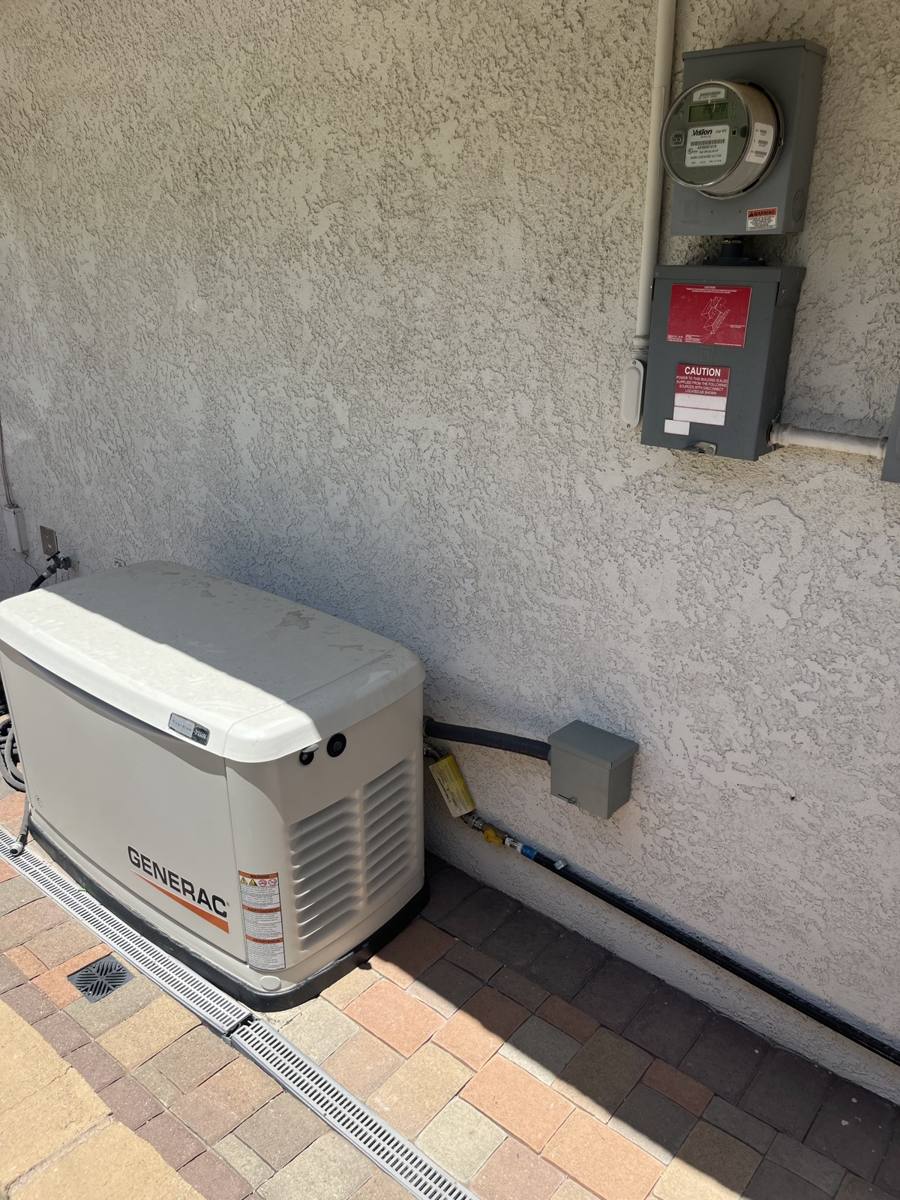
A home backup generator costs real money to install. So are home backup generators worth it for an Orange County home? The answer depends on how often your power goes out, how long it stays out, and what your home has to keep running when it does.
This guide walks through the outage scenarios Orange County homes face, what a standby generator costs to buy and run, and the signs that one fits your home. The numbers come from Southern California Edison’s own reliability data and from the generator installations Pelican Coast Electric quotes across the county.
Are Home Backup Generators Worth It in Orange County?
For most Orange County homes, a standby generator is worth it when at least one of these is true:
- Your neighborhood sees Public Safety Power Shutoffs or long wind outages.
- Someone in your home depends on powered medical equipment.
- You work from home and lose income when the power drops.
If your power goes out once a year for an hour, a generator is hard to justify on cost alone. The rest of this guide gives you the data to place your home on one side of that line.
How Often Orange County Homes Lose Power
SCE serves most of Orange County. In its 2025 reliability reporting, SCE says the average customer had 1.4 sustained outages during the year and about 545 minutes without power, roughly 9 hours. Those figures include major storm and wind days.
An average hides the spread. A home on an underground circuit in a flat Irvine tract and a home at the end of an overhead line in Silverado Canyon both count toward the same number. The canyon home sees more outages and longer ones. SCE publishes reliability figures by city, so you can check your own city on SCE’s reliability reports page.
Outage Scenarios Where a Backup Generator Earns Its Keep
Public Safety Power Shutoffs
When wind, low humidity, and dry brush line up, SCE shuts off circuits in its highest fire risk areas on purpose. In Orange County, that exposure sits in hillside and canyon terrain such as Newport Coast, the Laguna Beach canyons, Anaheim Hills, Yorba Linda, Coto de Caza, and the Trabuco, Silverado, and Modjeska canyons.
A shutoff often lasts a day or more, because SCE inspects the lines before it restores power. Our guide to SCE Public Safety Power Shutoffs covers how these events work and how much warning you get.
Wind and Storm Outages
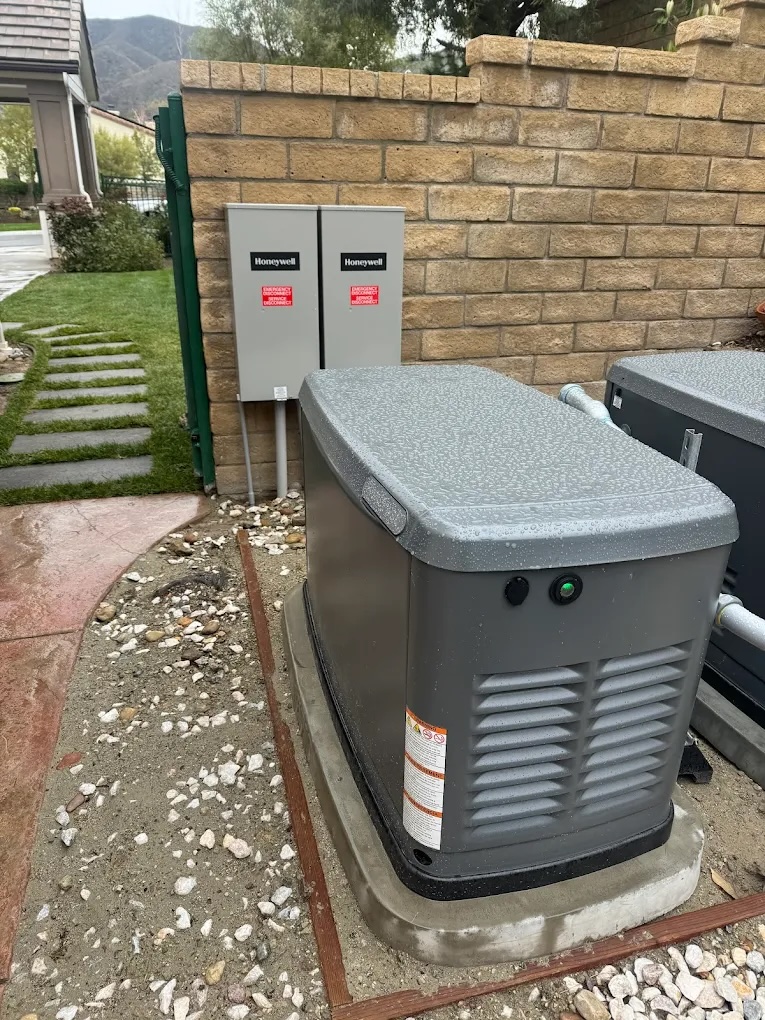
Santa Ana winds and winter storms bring down lines and trees anywhere in the county, including coastal cities with no shutoff risk. These outages come with no warning. A standby generator with an automatic transfer switch starts on its own within seconds, whether you are home or not.
Heat Waves
Summer heat pushes demand on the grid and on neighborhood transformers. An outage during a heat wave turns into a health problem fast for older family members, infants, and pets. Running central air during an outage takes a generator sized for the air conditioner’s starting load. Our guide on what size whole house generator you need covers how that sizing works.
Medical Equipment and Home Offices
Oxygen concentrators, CPAP machines, home dialysis, and refrigerated medication all stop when the power does. If someone in your home depends on powered equipment, a few hours without power is a safety issue. The same logic applies at a smaller scale if you run a business from home and lose billable hours, calls, or client deadlines during an outage.
Food, Security, and Access
A full refrigerator and freezer hold several hundred dollars of food. Gates, garage door openers, alarm systems, and well pumps on rural canyon properties all depend on power too. One long outage rarely pays for a generator by itself. A few each year, with food loss, hotel nights, and missed work, add up.
What a Home Backup Generator Costs to Own in Orange County
The decision turns on the full cost of ownership: the installed price, the fuel the unit burns, and the upkeep over its life.
Installed Price
A professionally installed whole-house standby generator from Pelican Coast Electric runs $16,400 to $35,450, and most homes we quote land between $16,400 and $21,500. Generator size, transfer switch type, gas line length, panel condition, and permits set where your home falls in that range. Our whole house generator cost guide breaks down each line item.
Fuel
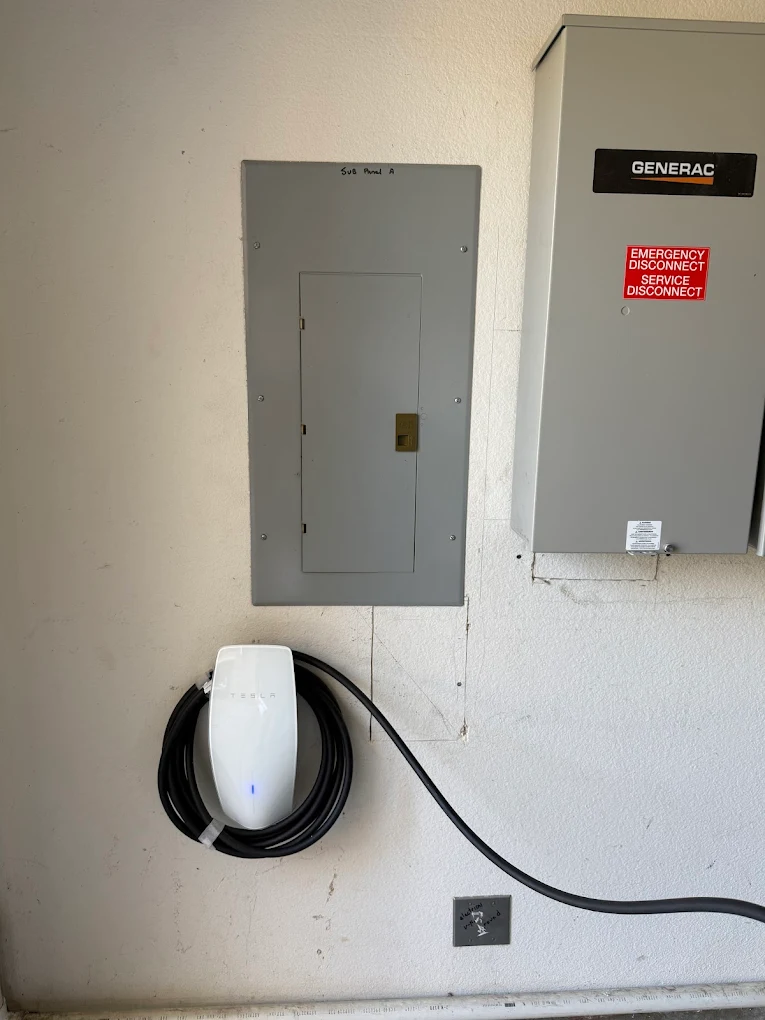
Most standby generators in Orange County run on natural gas from the home’s existing service, so you never refuel during a long outage. The unit also runs a short self-test on a set schedule, usually once a week, which burns a small amount of gas.
Fuel use during an outage depends on generator size and how much of the house you power. A unit carrying the whole house with central air burns far more gas than one running the refrigerator, lights, and outlets.
Maintenance and Lifespan
Most homeowners spend $200 to $600 per year on maintenance: oil and filter changes, battery checks, testing, and inspection. Salt air near the coast wears metal parts faster, so homes in Newport Beach, Huntington Beach, and Laguna Beach need regular service. With that care, most standby generators last 10 to 15 years.
Cost Per Year of Protection
Spread a $20,000 installation over 15 years and add $400 a year in maintenance, and you pay about $1,730 a year for backup power. Compare that figure to what outages cost your household now: spoiled food, hotel stays, lost work, and the risk to anyone on medical equipment. If your outage cost sits close to or above that figure, the generator earns its place.
Standby Generator, Portable Generator, or Battery
A standby generator is one of three common forms of backup power. Each fits a different home.
- Standby generator: permanent, runs on natural gas, starts on its own, and powers the whole house or selected circuits for as long as the outage lasts.
- Portable generator: lower upfront cost, runs on gasoline, needs you home to start and refuel it, and must connect through a transfer switch or interlock, never a backfeed cord.
- Home battery: silent and pairs with solar, but runs for a limited number of hours on stored energy and struggles with central air and large loads over a multi-day shutoff.
Our comparison of solar batteries and generators covers the battery side in more detail.
When a Home Backup Generator Fits Your Home
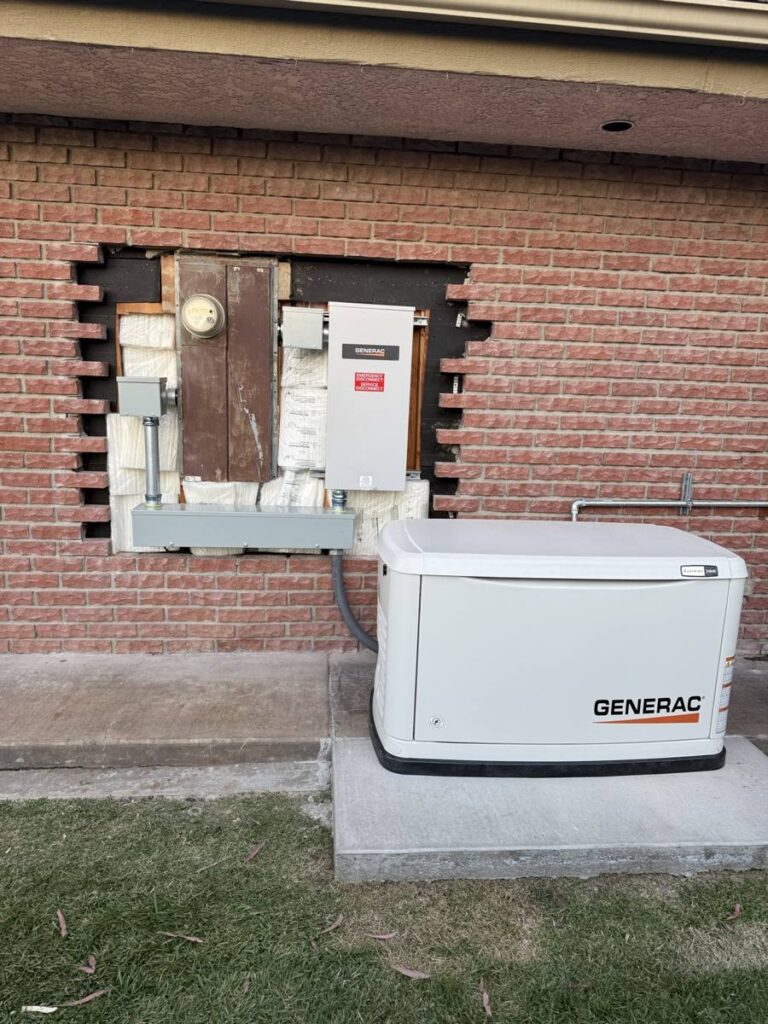
A standby generator tends to make sense when your home matches two or more of these:
- Your address sits in or near an SCE shutoff area, or your street loses power more than twice a year.
- Outages on your circuit often last longer than a few hours.
- Someone in the household depends on powered medical equipment.
- You work from home and an outage costs you income.
- You plan to stay in the home for at least five more years.
- Your home has natural gas service and room for a unit that meets setback rules from windows, doors, and property lines.
- You have pets, older family members, or infants at risk in extreme heat.
When a Generator Is Probably Not Worth It
A generator is a poor fit in a few common situations:
- Your home sits on an underground circuit in a flat area with one or two short outages a year, so the cost per outage runs high.
- You plan to sell within a couple of years and will not use the unit long enough to recover the cost.
- Your condo or townhome faces HOA rules or lacks space for a pad that meets setback rules.
In those cases, a portable generator with a transfer switch or a small battery system covers the essentials for less.
Frequently Asked Questions About Home Backup Generators in Orange County
Is a whole-house generator worth it if I rarely lose power?
Usually not on cost alone. If you lose power once a year for a short time, the yearly cost of a standby generator is hard to justify. The exceptions are homes with medical equipment, home businesses, and households that want protection from a rare but long shutoff.
How long can a standby generator run during an outage?
A natural gas standby generator runs as long as gas service continues and the unit stays within its maintenance schedule. Manufacturers call for oil checks during extended runs, so a multi-day outage means periodic checks on the unit.
Can a backup generator run my central air conditioner?
Yes, if the generator is sized for the air conditioner’s starting load. Many homes also use load management modules that pause the AC while other large appliances start. Sizing comes from a load calculation of your home, not from square footage alone.
Do I need a permit to install a standby generator in Orange County?
Yes. Orange County cities require an electrical permit, and most require a gas or mechanical permit for the gas line. The city inspects placement, wiring, the transfer switch, and the gas connection before the system goes into service.
Does a standby generator add value to my home?
A permanently installed generator is a feature buyers notice, especially in neighborhoods with frequent shutoffs. How much it adds to a sale price varies by market, so treat resale value as a bonus rather than the reason to install.
Will a standby generator run during an SCE Public Safety Power Shutoff?
Yes. A shutoff cuts power on SCE’s lines. A natural gas standby generator with an automatic transfer switch disconnects your home from the grid and starts on its own, so it keeps running through the shutoff as long as gas service continues.
Decide With Your Own Outage Numbers
Start with your own history. Count the outages your home had over the last two years, note how long each lasted, and add up what they cost you. Check whether your address falls in an SCE shutoff area. If the numbers point to a generator, the next step is a site visit to size the unit and price the gas, electrical, and permit work. See how our team handles generator installation in Orange County.