
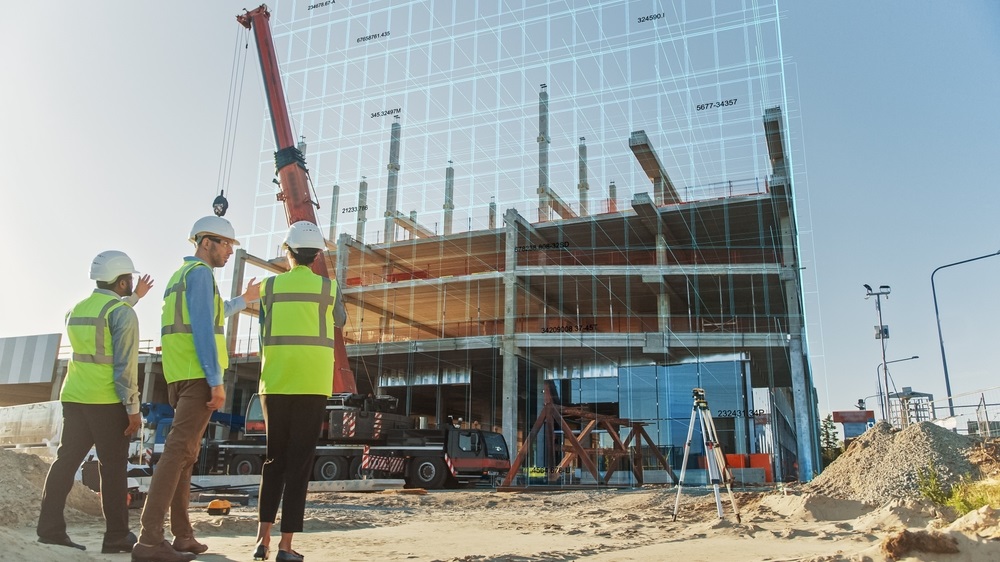
New construction electrical work in Orange County is rarely a plug and play scope. It sits at the center of schedule coordination, permit approvals, inspection pacing, and long-lead procurement. When it is not planned correctly at the pre-construction stage, it becomes one of the most common sources of delay and change orders on ground-up projects.
This guide breaks down how experienced general contractors, estimators, and project managers approach electrical planning so the job stays predictable from design development through final inspection.
When to Engage an Electrician in the Pre-Construction Timeline
One of the most common scheduling mistakes is bringing in an electrical contractor after architectural drawings are already locked. At that point, electrical becomes reactive instead of design-driven.
For ground-up projects in Orange County, the right engagement point is during schematic design or early design development. This allows the electrical contractor to contribute to:
- Load calculations based on actual building use
- Panel sizing and service capacity planning
- Equipment layouts before structural framing is finalized
- Coordination with HVAC, plumbing, and fire protection routing
From a planning standpoint, early involvement reduces redesign cycles and avoids conflicts that typically show up during rough-in inspections.
If you are still defining scope and sequencing, the team at New Construction Electrician Orange County typically engages during pre-construction to align electrical scope with architectural intent and permitting requirements.
Electrical Plan Review for New Construction in OC
Electrical plan review is not just a permit requirement. It is a coordination checkpoint between design intent and field execution.
A proper electrical plan review for new construction OC projects should validate:
- Service load calculations and panel schedules
- Circuiting logic for lighting, receptacles, and equipment
- Code compliance with California Electrical Code
- Integration with Title 24 energy requirements
- Site utility coordination for service entrance location
A frequent issue in under-reviewed plans is underestimating load growth, especially in commercial shells where tenant improvements are unknown at time of build. That leads to panel upgrades later, which are expensive and disruptive.
Contractors who treat plan review as a compliance formality usually end up paying for it during RFIs and field corrections.
New Construction Electrical Planning Timeline in Orange County
Electrical planning is not a single phase. It is a sequence of decisions that affect design, procurement, and construction scheduling.
1. Pre-Design Phase
- Conceptual load estimation
- Utility availability check
- Preliminary panel and service sizing
2. Design Development
- Coordination with architect and structural engineer
- Fixture layout planning
- Equipment and mechanical load integration
3. Construction Documents
- Final circuiting and panel schedules
- Title 24 compliance integration
- Permit set preparation
4. Pre-Construction Procurement
- Ordering long-lead items such as panels, switchgear, transformers
- Confirming utility disconnect and service upgrade timelines
5. Construction Phase
- Rough-in coordination with framing and MEP trades
- Underground and slab conduit installation
- Inspection sequencing
Missing any of these stages is where delays usually start.
Orange County Permit Process and AHJ Coordination
Unlike Los Angeles, Orange County does not operate under a single centralized building authority. Electrical permitting depends on the Authority Having Jurisdiction (AHJ), which may include:
- City building departments (for incorporated cities)
- County of Orange for unincorporated areas
- Utility coordination for service connection approvals
Each AHJ may interpret electrical code enforcement slightly differently, particularly around:
- Panel placement and working clearances
- Metering configurations
- Grounding and bonding requirements
- Energy compliance documentation
This is why electrical contractors familiar with multiple OC jurisdictions tend to reduce revision cycles during plan check. Submittals that are technically correct but not aligned with local enforcement standards often get returned for corrections, slowing down permits.
Title 24 Compliance Considerations for New Builds
Title 24 is not optional compliance paperwork. It directly impacts electrical design decisions.
Key electrical impacts include:
- Lighting power density limits
- Occupancy and daylight sensor requirements
- Energy monitoring for larger commercial systems
- Mandatory efficiency standards for lighting control zones
For commercial new construction, Title 24 compliance often forces redesign of lighting layouts after initial architectural coordination. This is especially common in retail, office, and mixed-use projects where lighting intent and compliance requirements conflict.
If Title 24 is not addressed early, electrical layouts often need revision after permit comments, which delays construction start.
Material Lead Times and Ordering Strategy
Electrical procurement has become a critical path item in modern construction schedules.
Common long-lead items include:
- Main switchgear and distribution panels
- Transformers
- Specialized breakers
- Energy monitoring systems
- Commercial lighting fixtures
Lead times can range from several weeks to multiple months depending on manufacturer availability and utility specifications.
Experienced estimators build procurement plans that separate:
- Long-lead electrical equipment (ordered immediately after permit submission)
- Standard rough-in materials (ordered after framing confirmation)
- Finish devices (ordered closer to trim-out phase)
Failing to plan procurement early is one of the fastest ways to push a project past its original completion date.
Coordination With Other Trades
Electrical work does not happen in isolation. It is tightly dependent on framing, plumbing, HVAC, and fire protection sequencing.
Typical coordination sequence:
- Framing establishes wall and ceiling structure
- Electrical rough-in follows framing approval
- HVAC ductwork installation must avoid main conduit paths
- Plumbing lines must not conflict with panel or conduit runs
- Fire alarm systems integrate after primary rough-in
When coordination fails, common field issues include:
- Conduit clashes with ductwork
- Panel locations blocked by mechanical equipment
- Insufficient ceiling space for recessed systems
- Delayed inspections due to incomplete rough-in access
Most of these problems are preventable through early coordination meetings between trades, not field correction.
Common Electrical Mistakes That Delay New Construction Projects
Across Orange County projects, several recurring issues create avoidable delays:
1. Underestimating load requirements
Especially in commercial shells that later receive tenant improvements.
2. Late electrical contractor involvement
This leads to reactive redesign instead of coordinated planning.
3. Ignoring utility coordination timelines
Service upgrades often take longer than interior electrical installation.
4. Incomplete Title 24 integration
Results in plan check corrections and redesign loops.
5. Poor equipment lead time planning
Switchgear delays can halt final inspections even when interior work is complete.
6. Misaligned trade sequencing
Electrical rough-in started before framing inspection approval or HVAC coordination.
Each of these issues is less about field execution and more about planning discipline.
When to Use a Commercial Electrician vs Residential Electrician
The distinction matters more than many project teams assume.
A commercial or new construction electrician is typically required when:
- Load calculations exceed residential service levels
- Multiple tenant spaces or future expansion is expected
- Three phase power is involved
- Title 24 compliance is mandatory at scale
- Utility coordination is required for service upgrades
Residential electricians may be technically licensed but often lack the planning systems, documentation workflow, and inspection pacing experience needed for ground-up commercial builds.
For new construction projects in Orange County, working with a contractor experienced in commercial coordination reduces permitting friction and inspection delays.
Frequently Asked Questions
When should I bring in an electrical contractor for new construction in Orange County?
Ideally during schematic design or early design development. Bringing an electrician in early helps align load calculations, panel sizing, and layout coordination before plans are finalized, reducing redesigns and permit revisions.
What is included in electrical plan review for new construction projects?
Electrical plan review typically covers load calculations, panel schedules, circuiting, Title 24 compliance, code adherence, and coordination with mechanical and plumbing systems to avoid field conflicts during construction.
How does Title 24 affect new construction electrical design?
Title 24 impacts lighting design, energy efficiency requirements, occupancy sensors, and control systems. It can force changes to lighting layouts and system specifications if not addressed early in the design phase.
What causes most delays in new construction electrical work?
Common delays include late contractor involvement, long-lead equipment procurement issues, incomplete coordination with other trades, utility connection delays, and revisions during plan check due to missing compliance details.
Do I need a commercial electrician for new construction projects in Orange County?
Yes, in most cases. Commercial or ground-up projects require expertise in three-phase power, Title 24 compliance, utility coordination, and inspection sequencing, which go beyond typical residential electrical work.
Final Takeaway for GCs and Estimators
New construction electrical planning in Orange County is fundamentally a coordination problem, not just an installation scope. The projects that stay on schedule are the ones where electrical planning starts early, aligns with design intent, and respects procurement and permit realities.
If electrical scope is treated as a downstream trade, it becomes a source of rework. If it is treated as a planning discipline, it becomes one of the most predictable parts of the build.
For projects currently in pre-construction or design development, early alignment with a qualified team such as New Construction Electrician Orange County helps stabilize scope, reduce permit friction, and keep sequencing intact across all trades.