
loading

Orange County Transformer Testing Services

A transformer rarely fails without warning. Insulation breaks down, windings loosen, connections heat up, and moisture works its way into oil long before a full outage happens. Transformer testing catches these conditions early, giving property managers and facility engineers time to plan repairs instead of reacting to an emergency.

At Pelican Coast Electric, we provide transformer testing and high voltage maintenance services for commercial buildings, industrial plants, and critical facilities throughout Orange County, using calibrated test equipment and documented procedures that hold up to compliance review.

300+

Homes Serviced

500+

Happy Clients

5.0

50+ Reviews

24/7

Local Service

What Transformer Testing Involves

Transformer testing is a set of diagnostic procedures used to evaluate the internal condition of a transformer without waiting for it to fail in service. Each test measures a different characteristic of the unit, and together they build a full picture of its health.

Transformer Turns Ratio (TTR) testing compares the voltage ratio between the primary and secondary windings against the transformer’s nameplate specifications. A ratio outside acceptable tolerance usually points to shorted turns, incorrect tap settings, or internal winding damage that would otherwise go unnoticed until the unit underperforms or trips offline.

Winding resistance testing measures the resistance across each winding to identify loose connections, broken strands, or deteriorating contacts. Because resistance values are compared against factory data and previous test results, this test is especially useful for tracking a transformer’s condition over several years rather than capturing just a single snapshot.

Megger testing, also called insulation resistance testing, applies a DC voltage to the winding insulation and measures how much current leaks through it. Low insulation resistance often signals moisture intrusion, contamination, or aging insulation, all of which raise the risk of a dielectric failure if left unaddressed.

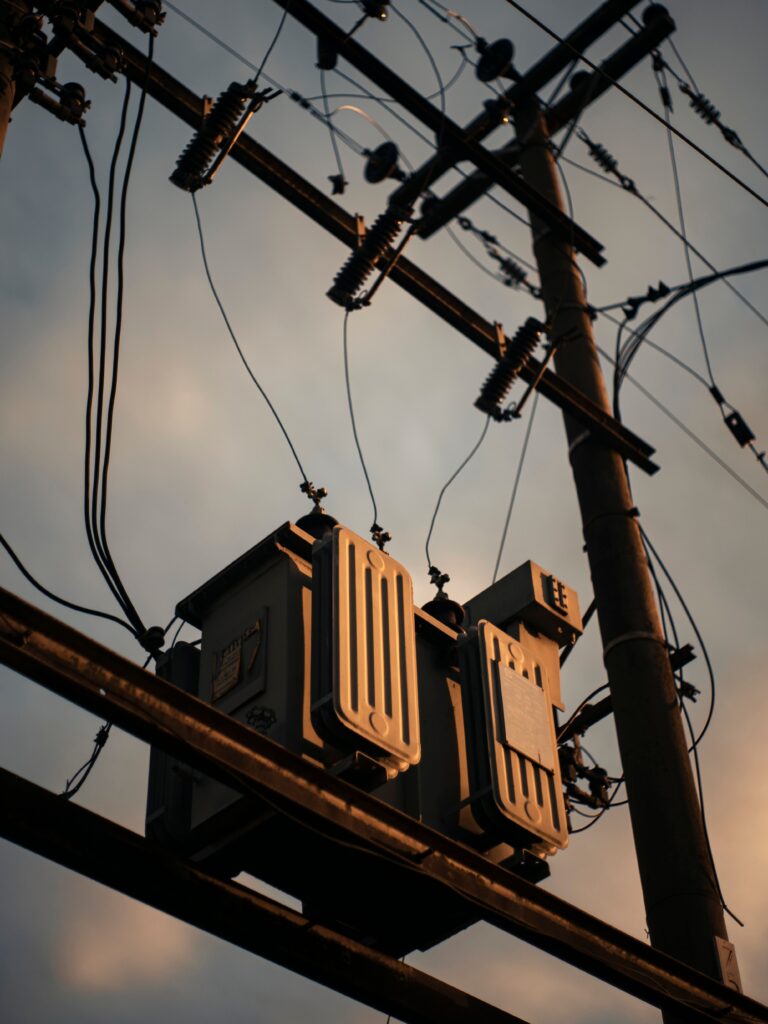
A dramatic shot of a transmission tower with power lines silhouetted against a sunset sky.

Why Transformer Testing & Maintenance Matter

Transformers are built to operate reliably for decades, but their lifespan depends on identifying small issues before they become costly failures. Problems such as deteriorating insulation or marginal winding connections can go unnoticed for months without obvious symptoms until a sudden failure occurs. Routine transformer testing is supported by recognized industry standards and is widely recommended to help detect these issues early, improve reliability, extend equipment life, and reduce the risk of unexpected downtime.

NFPA 70B Guidance

The Recommended Practice for Electrical Equipment Maintenance provides industry-recognized guidelines for inspecting, testing, and servicing transformers and other high-voltage electrical equipment. It outlines recommended testing intervals, maintenance procedures, and diagnostic methods to improve system reliability, extend equipment lifespan, reduce unexpected failures, and support safe, efficient operation of electrical power systems.

NETA Maintenance Standards

Published by the InterNational Electrical Testing Association (NETA), these standards define accepted testing procedures, maintenance intervals, and inspection requirements for electrical equipment. They are widely referenced by facility engineers, insurers, and maintenance professionals to help ensure safe, reliable, and compliant operation of electrical power systems.

When to Test Your Transformer

Testing frequency depends on transformer criticality, age, and site requirements. Schedules should account for compliance standards, insurance requirements, and prior test results.

Critical Transformers and Substations

Transformers supporting hospitals, data centers, manufacturing lines, or other operations where downtime is costly typically warrant annual electrical testing, along with more frequent visual and thermal inspections in between.

Standard Commercial Transformers

Transformers serving general office buildings, retail centers, and similar commercial properties are commonly tested on a two-to-three-year cycle, consistent with NETA maintenance testing guidance.

For Orange County commercial and industrial properties, testing is scheduled around facility operating hours to reduce disruption while maintaining reliability and compliance.

Built for Engineers & Property Managers

For facility engineers and property managers, transformer testing does more than satisfy a maintenance checklist. It gives you documented, comparable data on how your electrical infrastructure is aging, which makes budgeting for eventual replacement far less of a guessing game.

Testing also supports insurance and inspection readiness. When a carrier or inspector asks for proof that high voltage equipment has been properly maintained, a file of dated test reports answers that question immediately instead of requiring an emergency inspection.

For properties with multiple tenants or mission-critical operations, this translates into fewer surprise outages, more predictable capital planning, and less exposure when equipment eventually does need repair or replacement.

Transformer Maintenance Schedule

Most commercial and industrial transformers in Orange County follow a layered maintenance approach rather than a single annual visit.

Monthly or quarterly visual inspections check for oil leaks, discoloration, unusual noise, corrosion, and signs of overheating at connections. These quick checks often catch developing problems well before they show up in electrical test results.

Oil sampling and analysis, where applicable, evaluates dissolved gases and moisture content inside oil-filled transformers, giving an early warning of internal arcing or insulation breakdown that visual inspection can’t detect.

Electrical testing, including TTR, winding resistance, and Megger insulation resistance testing, forms the core of the maintenance cycle. This is typically performed annually for critical units and every two to three years for standard commercial transformers, with results compared against baseline data to track any trend toward failure.

Pricing Overview

Transformer testing pricing depends on transformer size, voltage class, accessibility, and the number of units on site. Every project is scoped individually so the testing plan matches the equipment and the facility’s operational constraints.
Typical ranges include:

Small Dry-Type & Pad-Mounted

Common in smaller commercial buildings, these units typically involve straightforward testing with minimal setup time, though proper de-energization and lockout procedures still apply.

Medium Commercial & Institutional

  • Larger commercial properties, schools, and multi-tenant buildings often have higher capacity transformers that require more extensive testing, additional safety precautions, and longer on-site time to complete a full test battery.

Industrial & Substation Transformers

High capacity industrial and substation transformers call for specialized test equipment, additional crew members, and careful coordination with facility operations to avoid disrupting production during testing.

A site walk-through lets us confirm transformer count, voltage class, and access conditions before finalizing pricing.

Why Choose Pelican Coast Electric

We work on the electrical systems that keep commercial and industrial facilities running, and transformers sit at the center of that infrastructure. Our approach to testing is built around getting accurate results without adding unnecessary downtime to your operation.

Accurate Diagnostic Testing

We use calibrated test equipment and NETA-referenced procedures for TTR, winding resistance, and insulation resistance testing, so results are consistent and defensible if reviewed by an insurer or inspector.

Minimal Operational Disruption

Outages required for testing are scheduled around your operating hours whenever possible, with direct coordination with facility staff to keep the process predictable.

Clear Reporting For Building Engineers

Every test produces a written report with measured values, pass/fail status against accepted tolerances, and comparison to prior results where available, so you have documentation you can act on.

Same-Crew Repairs

If a test uncovers a failing component, our licensed crew moves directly into repair work instead of handing you a report. For unexpected failures outside a scheduled test, our emergency commercial electrical repair team is also available.

Electrical Brands We Use

COMMON QUESTIONS

Frequently Asked Questions About Transformer Testing

If you’re planning a transformer inspection, an insurance-required test, or setting up a recurring maintenance program, these are the questions we hear most often.

What is the purpose of transformer testing?

Transformer testing verifies that a transformer’s internal components, including windings and insulation, are in good condition and capable of safe, reliable operation. It identifies developing problems such as insulation breakdown or winding damage before they cause an outage or equipment failure.

Critical transformers supporting hospitals, data centers, or continuous industrial processes are typically tested annually. Standard commercial transformers are commonly tested every two to three years, consistent with NETA maintenance guidance, though age and prior test results can shorten that interval.

Testing can identify shorted or damaged windings, incorrect tap settings, loose or deteriorating connections, and insulation compromised by moisture or contamination. Catching these issues early usually means a planned repair instead of an emergency outage.

There isn’t a single law mandating transformer testing for most commercial properties, but NFPA 70B and NETA maintenance testing specifications are widely referenced by insurance carriers, equipment manufacturers, and facility engineering standards, making documented testing a practical expectation in most compliance reviews.

Property managers, building engineers, industrial plant operators, and facility maintenance teams request this service, along with general contractors commissioning new transformers and insurance providers requiring documented proof of equipment condition.

Service Area

Serving Orange County

We provide transformer testing and high voltage maintenance services across Orange County for commercial buildings, industrial facilities, and critical electrical infrastructure.

Orange County

Newport Beach

Costa Mesa

Huntington Beach

Irvine

Laguna Beach

Tustin

Corona Del Mar

Anaheim

Fullerton

Santa Ana

CUSTOMER REVIEWS

What Our Customers Say

Real reviews from satisfied customers across Orange County.

Estimate Your Next Transformer Testing Project

Request a transformer testing quote and our licensed electricians will evaluate your equipment, voltage class, and site conditions to prepare a clear, itemized proposal. We work with property managers, building engineers, developers, and industrial facility teams to deliver structured pricing and compliance-focused testing plans.


Our transformer testing services cover the full technical process, including pre-test inspection, de-energization and lockout/tagout, TTR testing, winding resistance testing, Megger insulation resistance testing, and post-test reporting with clear pass/fail documentation.

WHAT YOU GET WITH PELICAN COAST

Schedule Your Free Estimate

Get a detailed estimate for your transformer testing