
Pelican Coast Electric helps facility and plant managers verify the health of medium and high voltage cable systems with VLF testing, tan delta diagnostics, insulation resistance testing, and cable fault location. Catch insulation weaknesses before they become unplanned outages.
Underground and shielded power cables carry the electrical load of nearly every commercial and industrial facility in Orange County. When cable insulation begins to break down, the warning signs are usually invisible from the outside. A cable can look perfectly healthy right up to the moment it faults, taking a switchboard, production line, or entire building offline. High voltage cable testing gives you an objective, measurable view of insulation condition so you can plan repairs on your schedule instead of reacting to an emergency. Our technicians test medium and high voltage cable circuits, locate faults, and provide clear documentation that supports acceptance, commissioning, and long-term reliability programs. Need a broader assessment of your equipment? Our dedicated high and medium voltage electrical testing service covers transformers, switchgear, and related assets alongside your cable systems.
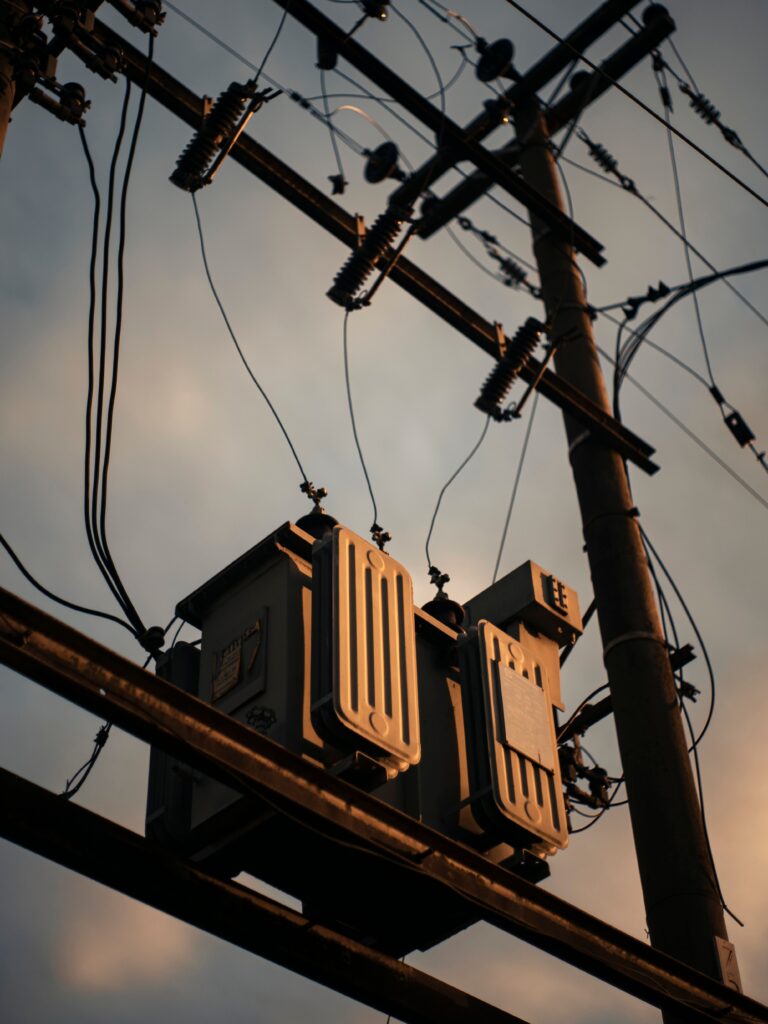
Most cable failures are the result of gradual insulation aging, moisture ingress, partial discharge activity, or mechanical damage from installation and thermal cycling. These conditions develop quietly over years. Diagnostic cable testing reveals them while they can still be corrected during planned downtime.
Proactive testing supports the reliability-centered maintenance approach described in NFPA 70B and follows the acceptance and maintenance philosophy used across the industry. The result is fewer surprise outages, safer working conditions for your team, and a documented history of each cable circuit that helps you budget for future repairs and replacements. Measured cable and equipment values also feed the model behind an arc flash study, where verified field data produces more accurate incident energy results than nameplate assumptions.
If your facility is showing any of the following, a cable diagnostic evaluation can help you find the root cause before it forces an unplanned shutdown.
Unexplained breaker trips or outages on feeders serving one part of your facility.
Aging underground cable that has been in service for 20 years or more without diagnostic testing.
Recent water intrusion in duct banks, manholes, or vaults where cable terminations live.
New cable installations that require acceptance testing before energization and commissioning.
Repeated cable joint or splice failures in the same distribution run.
No baseline test data for critical circuits feeding production or tenant loads.
Underground distribution systems are especially prone to hidden insulation problems because moisture, soil movement, and thermal cycling all act on cable that you cannot easily inspect. Scheduled diagnostic testing turns those unknowns into measurable data.
We build recurring cable testing programs that establish a baseline, track insulation trends over time, and schedule targeted maintenance before failures occur. Pair cable testing with our commercial electrical preventive maintenance program for full coverage of your facility, and rely on our emergency commercial electrical repair team when a fault does happen.
We review your single-line diagram, cable records, and access points, then establish a safe work plan including proper de-energization, grounding, and lockout before any test voltage is applied.
Using calibrated VLF, tan delta, partial discharge, and insulation resistance equipment, we test each circuit and record measurements against recognized condition criteria.
You receive a clear report that grades each cable circuit, flags concerns, and prioritizes recommended actions so you can plan maintenance and budget with confidence.
As a C-10 licensed contractor, the same crew can repair failing joints, terminations, or cable sections, then re-test to confirm the circuit is ready to return to service.
We match the test method to your cable type, voltage class, and goal, whether that is acceptance of a new install or condition assessment of an aging circuit.
Very Low Frequency testing applies AC voltage at a fraction of a hertz to withstand test shielded medium voltage cable without the bulky equipment or insulation stress of DC hipot testing.
Tan delta, or dissipation factor testing, measures dielectric losses in the insulation to grade overall cable aging and moisture ingress across the circuit.
Partial discharge measurement helps pinpoint localized insulation defects, voids, and weak points in joints and terminations before they progress to failure.
Megger insulation resistance testing checks the resistance between conductors and ground to detect contamination, moisture, and insulation deterioration.
When a cable has already failed, we combine pre-location and pinpointing techniques to find the fault fast and limit excavation and downtime.
Acceptance testing verifies new cable, joints, and terminations meet specification before energizing, validating your warranties and supporting safe commissioning.
Accurate results depend on properly calibrated instruments and consistent methods. We test with modern VLF sets, tan delta and partial discharge diagnostic units, and insulation resistance testers suited to medium and high voltage cable systems.
Our approach aligns with widely recognized industry practices for electrical acceptance and maintenance testing, and it supports the preventive maintenance philosophy outlined in NFPA 70B. We help you build a repeatable program with baseline data and trend tracking over the life of each cable circuit.
Different objectives call for different tests. Here is a simple guide to how the most common cable testing methods are typically applied.
| Method | What It Evaluates | Best Used For |
|---|---|---|
| VLF Withstand | Ability of insulation to hold voltage over a set period | Acceptance of new cable and proof testing after repair |
| Tan Delta | Overall dielectric loss and aging of the insulation | Condition assessment of in-service medium-voltage cable |
| Partial Discharge | Localized insulation defects and weak joints | Finding specific problem areas in a circuit |
| Insulation Resistance | Resistance to ground and between conductors | Quick health checks and troubleshooting |
| Fault Location | Physical position of an existing fault | Restoring a cable that has already failed |
We work with the teams responsible for keeping critical power flowing across Orange County commercial and industrial infrastructure.
VLF stands for Very Low Frequency. It applies an AC test voltage at a very low frequency, typically 0.1 Hz, to withstand test and diagnose shielded medium voltage cable. It is widely used because it effectively stresses cable insulation while using compact equipment and avoiding the space charge concerns associated with older DC hipot testing.
This page focuses specifically on power cable circuits, including VLF, tan delta, partial discharge, insulation resistance, and fault location. Our broader high and medium voltage electrical testing service also covers transformers, switchgear, and related equipment. Many facilities use both together for complete coverage.
Yes. Acceptance testing verifies that new cable, joints, and terminations meet specification before energization. This helps validate workmanship and manufacturer warranties and supports a safe commissioning process for new construction and system upgrades.
Testing frequency depends on cable age, environment, and how critical the circuit is. Many facilities establish a baseline at commissioning and then perform periodic diagnostic testing as part of a preventive maintenance program aligned with NFPA 70B recommendations. We can help you set an interval appropriate for your system.
Yes. We combine fault pre-location and pinpointing methods to find the physical position of a fault and limit excavation. As a C-10 licensed contractor, the same crew can complete the repair and re-test the circuit before returning it to service.
Cable diagnostic testing requires the circuit under test to be de energized and safely grounded. We plan the work around your operations, often using off hours or phased scheduling, so we can minimize disruption to the rest of your facility.
We provide commercial and industrial cable testing throughout Orange County, including these communities and the surrounding region.
Get an objective picture of your cable system health and a clear plan to keep it reliable. Contact Pelican Coast Electric to schedule VLF testing, cable diagnostics, or acceptance testing for your facility.