
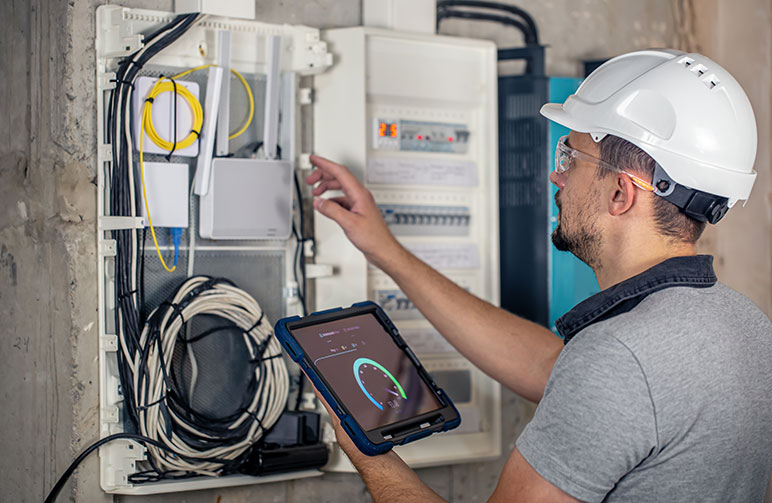
If your home still relies on outdated electrical wiring, a full rewire is not simply an upgrade. It is a critical investment in safety, functionality, and long-term property value. Many homes throughout Orange County were built decades ago, long before today’s electrical demands became standard. Systems that once supported basic lighting and appliances are now expected to handle HVAC systems, high-powered kitchen equipment, home offices, and electric vehicle chargers.
This guide explains the realistic cost of whole house rewiring in Orange County, the factors that influence pricing, and what homeowners should expect during the process.
Average Cost to Rewire a House in Orange County
The cost of a full home rewire varies depending on several variables, but square footage provides a useful baseline for estimating.
Typical price ranges:
- 1,000 to 1,500 sq ft: $8,000 to $15,000
- 1,500 to 2,500 sq ft: $12,000 to $25,000
- 2,500 to 4,000+ sq ft: $20,000 to $40,000 or more
These ranges reflect real-world project conditions in Orange County rather than promotional estimates. Homes with limited access, outdated infrastructure, or additional upgrade requirements will typically fall at the higher end of these ranges.
For a more accurate estimate based on your specific property, visit our Whole House Rewiring services page.
What Affects the Cost of Rewiring?
Homeowners often focus only on square footage, but that is only one part of the equation. Several underlying conditions significantly influence total project cost.
1. Home Age and Existing Wiring Type
The age of the home directly impacts both the complexity and cost of the project. Older electrical systems were not designed with modern safety standards or energy demands in mind.
- Knob and Tube Wiring: This system lacks grounding and uses insulation that deteriorates over time. It cannot safely support modern electrical loads, which means a full replacement is required. Removal can also be labor-intensive due to how it was originally installed.
- Aluminum Wiring: Aluminum expands and contracts more than copper, which can lead to loose connections and overheating. Correcting aluminum wiring often requires either complete replacement or specialized mitigation techniques.
- Modern Copper Wiring: Newer homes with copper wiring are generally easier to upgrade. In some cases, circuits can be extended or improved without a full replacement, reducing overall cost.
Older wiring systems typically require a complete overhaul to meet current electrical codes, which increases labor time and material costs.
2. Accessibility of Wiring Areas
Accessibility plays a major role in determining labor costs. The easier it is to route new wiring through the home, the more efficient the project becomes.
- Homes with accessible attics and crawlspaces allow electricians to run wiring with minimal disruption.
- Properties built on slab foundations often lack these access points, making routing more complex and time-consuming.
- Finished walls may need to be opened to install new wiring, which adds both labor and repair costs.
In many cases, accessibility becomes one of the largest cost drivers in a rewiring project.
3. Number of Stories
Multi-story homes introduce additional complexity that increases both time and labor requirements.
- Wiring must be routed vertically between floors, which requires more planning and effort.
- Structural barriers between levels can limit access points.
- Additional safety and logistical considerations may be required during installation.
As a result, two-story and larger homes typically cost more to rewire than single-story properties of the same square footage.
4. Electrical Panel Upgrade Requirements
A full rewire often reveals limitations in the existing electrical panel. Many older panels are already operating at or near capacity and cannot support additional circuits.
If the panel cannot safely handle the updated electrical load, an upgrade becomes necessary. This ensures the system can distribute power efficiently and meet current safety standards.
Learn more on our Electrical Panel Upgrade Services pagePanel upgrades add to the total project cost, but they are essential for ensuring the long-term reliability and safety of the electrical system.
5. Scope of the Electrical Upgrade
The extent of the rewiring project also affects pricing. A full rewire is not limited to replacing old wires. It typically includes a comprehensive upgrade of the home’s electrical infrastructure.
This may involve:
- Installing new dedicated circuits for major appliances
- Adding GFCI and AFCI protection to meet code requirements
- Upgrading outlets, switches, and fixtures
- Establishing proper grounding throughout the system
The more extensive the upgrade, the greater the material and labor requirements.
Permit Costs in Orange County
Permits are required for whole house rewiring projects and are enforced by local municipalities. Costs vary depending on the city and the scope of the work.
Typical permit costs include:
- Basic electrical permits: $200 to $600
- Larger projects with panel upgrades: $500 to $1,500 or more
Cities such as Irvine, Anaheim, and Santa Ana require inspections at various stages of the project to ensure compliance with electrical codes.
Permits are important because they:
- Verify that the work meets safety standards
- Protect homeowners during property resale
- Ensure the installation is properly documented and approved
Attempting to bypass the permit process can lead to fines, failed inspections, and complications when selling the property.
How Long Does a Full Rewire Take?
Project timelines vary depending on the size and complexity of the home.
Typical timelines include:
- Smaller homes: 3 to 5 days
- Mid-sized homes: 5 to 10 days
- Larger or complex homes: 1 to 3 weeks
Several factors can influence the timeline, including accessibility, the scope of work, and scheduling inspections.
Projects that involve drywall repairs or coordination with other renovation work may take longer to complete.
Can You Live in the House During Rewiring?
In some cases, it is possible to remain in the home during a rewiring project. However, it is often inconvenient and not recommended for full rewires.
During the project, homeowners should expect:
- Intermittent power outages
- Open walls and exposed wiring
- Noise from drilling and installation work
- Limited access to certain areas of the home
For smaller or phased projects, it may be manageable to stay. For larger rewiring jobs, temporary relocation is often the more practical option.
Is a Whole House Rewire Worth It?
For homes with outdated or unsafe wiring, a full rewire is a necessary investment rather than an optional upgrade.
Key benefits include:
- Increased electrical capacity to support modern usage
- Improved safety and reduced fire risk
- Compliance with current electrical codes
- Higher property value and marketability
- Readiness for future upgrades such as EV charging systems
Delaying a rewire can lead to more serious and costly issues over time, particularly if system failures occur.
Frequently Asked Questions
How much does a whole house rewire cost in Orange County?
Whole house rewiring costs vary depending on the size of the home, the condition of existing wiring, and code requirements. Projects with minimal structural changes are more affordable, while older homes or full system upgrades increase the total cost due to labor, materials, and compliance work.
What factors affect the cost of a home rewiring project?
The final cost depends on several key factors, including home size, accessibility of wiring, panel capacity, and whether upgrades are required to meet current electrical codes. Permits, inspections, and any necessary repairs to outdated wiring also impact the total price.
When is a whole house rewire necessary?
Rewiring becomes necessary when the electrical system can no longer safely handle modern demand. Common warning signs include frequent breaker trips, flickering lights, outdated wiring, or systems that are no longer compliant with current safety standards.
Does a full rewire include an electrical panel upgrade?
Yes. Older homes often require a panel upgrade during rewiring to support modern electrical loads. A new panel ensures proper distribution of electricity and allows for additional circuits needed for today’s appliances and systems.
Are permits and inspections required for whole house rewiring?
Yes. Electrical rewiring projects in Orange County require permits and inspections to ensure the work meets current safety codes and local regulations. This process protects homeowners and ensures long-term reliability of the electrical system.
Get a Professional Assessment
Every home has unique conditions that affect the scope and cost of rewiring. A professional inspection is the most reliable way to determine what is required.
Pelican Coast Electric evaluates:
- The condition of existing wiring
- Electrical panel capacity
- Structural accessibility
- Required upgrades for code compliance
Based on this assessment, a clear and accurate estimate is provided.