
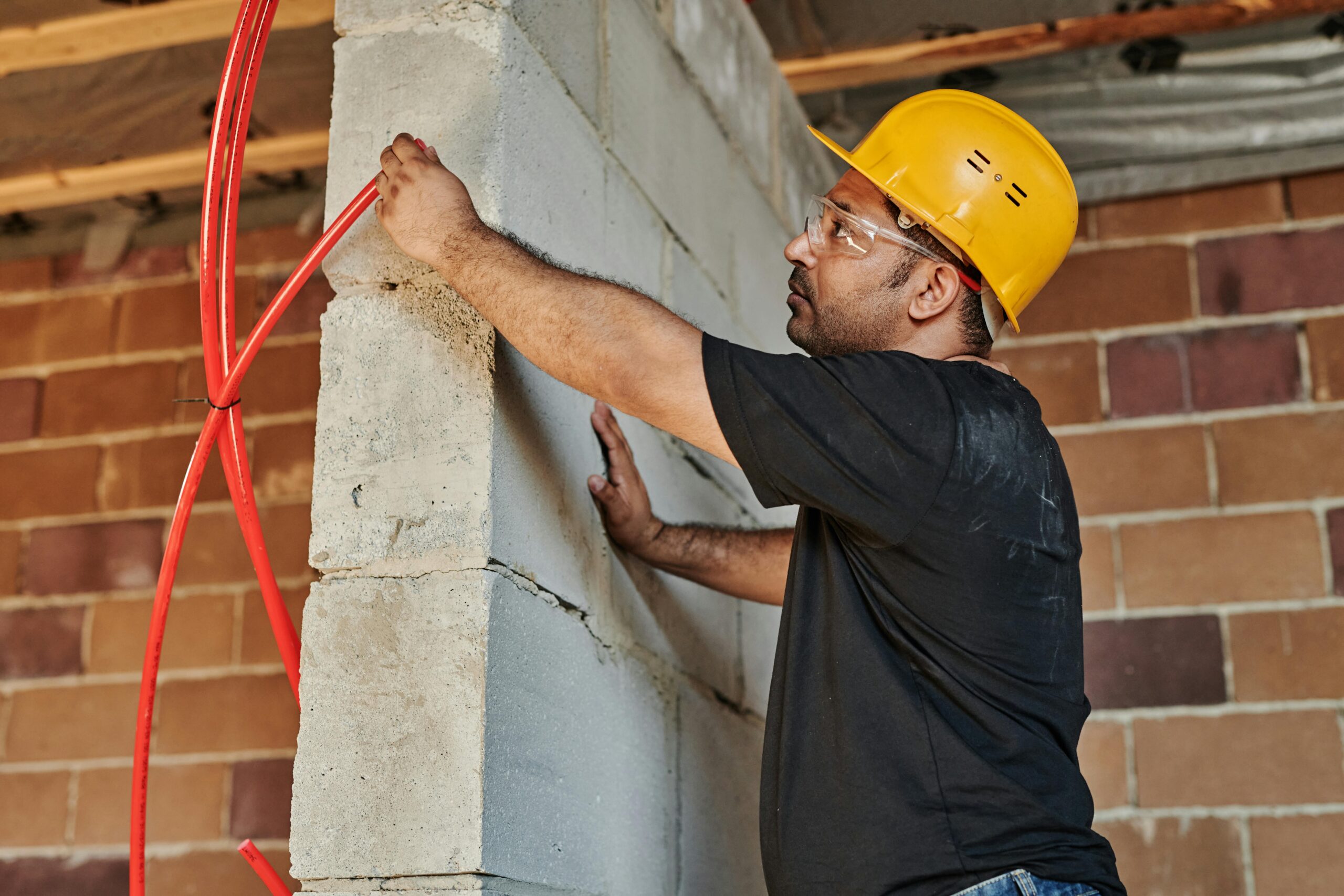
Commercial electrical code violations are one of the leading causes of failed inspections, unexpected repair costs, business interruptions, and electrical safety hazards. Whether you own an office building, warehouse, retail store, restaurant, medical facility, or industrial property, staying compliant with current electrical codes helps protect your employees, customers, equipment, and investment.
Many electrical violations develop gradually as buildings age, equipment is upgraded, or previous electrical work no longer meets current standards. Unfortunately, many business owners don’t discover these issues until an inspection, renovation, tenant improvement, or emergency breakdown reveals them.
At Pelican Coast Electric, we help businesses throughout Orange County identify code violations, correct electrical deficiencies, and maintain safe, reliable electrical systems that comply with current regulations.
This checklist outlines some of the most common commercial electrical code violations property owners should watch for.
Why Commercial Electrical Code Compliance Matters
Electrical codes are designed to reduce fire risks, prevent electrical shock, protect expensive equipment, and improve overall workplace safety.
Failing to correct electrical violations may result in:
- Failed inspections
- OSHA or local code citations
- Increased fire hazards
- Insurance claim complications
- Equipment failures
- Unexpected business downtime
- Expensive emergency repairs
- Liability concerns for property owners
Routine inspections and preventative maintenance help identify these problems before they become costly emergencies.
Commercial Electrical Code Violation Checklist
Commercial electrical installations in Orange County must comply with the California Electrical Code (CEC), California Code of Regulations, Title 24, Part 3, which adopts the National Electrical Code (NEC) with California-specific amendments. Local jurisdictions may also enforce additional requirements depending on the project and occupancy type. Throughout this checklist, you’ll see examples of common commercial electrical issues that are frequently identified during inspections and why maintaining code compliance is essential for safety, reliability, and successful inspections. For more information about code-compliant electrical work, see our guide on Electrical Inspections and our overview of Commercial Electrical Services.
1. Overloaded Electrical Panels
One of the most common commercial electrical violations involves overloaded electrical panels.
Warning signs include:
- Frequently tripped breakers
- Panels operating near maximum capacity
- Multiple circuits added without proper load calculations
- Improper breaker sizing
- Signs of overheating
As businesses grow, electrical demand often exceeds the capacity of the original electrical system.
If your facility has expanded operations, installed new equipment, or added HVAC systems, it may be time for a professional electrical load evaluation.
2. Improper Electrical Wiring
Improper wiring is another frequent cause of code violations.
Examples include:
- Exposed wiring
- Damaged insulation
- Loose wire connections
- Incorrect conductor sizing
- Unsupported conduit
- Improper wire splices
These conditions significantly increase the risk of electrical fires and equipment failure.
Professional repairs ensure wiring complies with current commercial electrical standards.
3. Missing or Improper Grounding
Grounding protects employees, sensitive electronics, and electrical equipment from dangerous fault currents.
Common grounding violations include:
- Missing grounding conductors
- Improper bonding
- Corroded grounding connections
- Damaged grounding electrodes
Poor grounding may not be visible during daily operations but becomes apparent during inspections or electrical testing.
4. Blocked Electrical Panels
Electrical panels must remain readily accessible at all times. Boxes, shelving, stored inventory, and equipment placed in front of a panel can create serious safety hazards and may result in failed inspections.
The California Electrical Code Section 110.26 (Working Space About Electrical Equipment) requires sufficient working space around electrical equipment so it can be safely operated, inspected, and maintained. In many commercial installations operating at 600 volts or less, this includes maintaining adequate working clearance in front of the electrical panel. Keeping this area clear improves technician safety, simplifies maintenance, and helps your property remain code compliant. You can learn more in our guide on Electrical Panel Clearance Requirements.
5. Damaged Outlets and Receptacles
Commercial outlets experience significantly more wear than residential systems.
Inspect for:
- Cracked receptacles
- Loose outlets
- Burn marks
- Missing cover plates
- Improperly mounted devices
Replacing damaged receptacles helps prevent shock hazards and equipment damage.
6. Inadequate Emergency Lighting
Emergency lighting is essential for employee and customer safety during power outages.
Check for:
- Non-functioning exit signs
- Dead emergency lighting batteries
- Inoperative emergency fixtures
- Missing illumination in exit pathways
Routine testing ensures emergency lighting performs when needed most.
7. Improper Circuit Labeling
Accurate panel schedules improve maintenance, troubleshooting, and emergency response.
Violations often include:
- Missing labels
- Incorrect circuit descriptions
- Handwritten labels that no longer match the circuits
- Blank panel directories
Proper labeling helps electricians safely isolate circuits and speeds future repairs.
8. Extension Cords Used as Permanent Wiring
Extension cords should only be used temporarily.
Common violations include:
- Extension cords powering permanent equipment
- Daisy-chained power strips
- Cords routed through ceilings
- Extension cords passing through walls
Permanent electrical installations should always be professionally installed.
9. Lack of Preventative Electrical Maintenance
Many code violations develop because electrical systems are never inspected.
Preventative maintenance can identify:
- Loose electrical connections
- Thermal hot spots
- Aging breakers
- Equipment deterioration
- Failing transformers
- Panel corrosion
Regular inspections reduce emergency repairs and extend equipment lifespan.
10. Unsafe High-Voltage Equipment
Facilities with high-voltage distribution equipment require specialized inspections.
Potential violations include:
- Damaged switchgear
- Improper clearances
- Aging transformers
- Missing warning labels
- Lack of maintenance records
Our experienced electricians provide comprehensive High Voltage Electrical Services for commercial and industrial facilities.
Important Note
This checklist highlights some of the most common commercial electrical code violations found during inspections, but it is not a substitute for the complete California Electrical Code. Depending on your building type, occupancy, electrical system, and local Authority Having Jurisdiction (AHJ), additional requirements may apply. A licensed commercial electrician can perform a comprehensive inspection, identify potential violations, and recommend corrective actions before they become safety risks or delay your project.
When Should You Schedule a Commercial Electrical Inspection?
Consider scheduling an inspection if your property:
- Is more than 20 years old
- Has undergone renovations
- Has added heavy electrical equipment
- Frequently trips breakers
- Experiences flickering lights
- Is preparing for occupancy
- Is undergoing tenant improvements
- Failed a previous inspection
- Has not received preventative maintenance in several years
Identifying problems early is almost always less expensive than emergency repairs after equipment failure.
Why Orange County Businesses Trust Pelican Coast Electric
Pelican Coast Electric provides professional commercial electrical services throughout Orange County, helping businesses maintain safe, reliable, and code-compliant electrical systems.
Our licensed commercial electricians assist with:
- Electrical inspections
- Code violation corrections
- Electrical troubleshooting
- Commercial panel upgrades
- Tenant improvements
- Lighting upgrades
- High-voltage electrical systems
- Preventative maintenance
- Emergency commercial electrical repairs
Whether you’re preparing for an inspection or addressing existing code violations, our team delivers dependable electrical solutions tailored to your facility’s needs.
Frequently Asked Questions
What are the most common commercial electrical code violations?
Common violations include overloaded electrical panels, damaged wiring, missing grounding, blocked electrical panels, improper circuit labeling, inadequate emergency lighting, and the use of extension cords as permanent wiring.
How often should commercial buildings have electrical inspections?
Inspection frequency depends on the building type, occupancy, equipment, and local requirements. Many businesses benefit from routine preventative electrical inspections to identify issues before they become code violations.
Can electrical code violations affect insurance?
Yes. Unresolved electrical hazards may impact insurance claims, increase liability, or lead to higher repair costs if electrical failures occur.
What happens if my commercial property fails an electrical inspection?
The property owner typically receives a list of code violations that must be corrected before approval. A licensed commercial electrician can perform the necessary repairs and help bring the electrical system into compliance.
Do older commercial buildings require electrical upgrades?
Many older commercial buildings require panel upgrades, wiring improvements, grounding corrections, or lighting updates to meet modern electrical demands and current safety standards.
Final Thoughts
Electrical code compliance is about more than passing inspection. It’s about protecting your business, employees, customers, and critical equipment. Regular inspections and proactive maintenance can help identify hidden issues before they become costly violations or safety hazards.
If your Orange County commercial property is due for an inspection, renovation, or electrical upgrade, Pelican Coast Electric is ready to help with professional code compliance services, preventative maintenance, and emergency electrical repairs that keep your business operating safely and efficiently.
Schedule a Commercial Electrical Inspection
Found one or more items on this checklist? Don’t wait for a failed inspection, insurance issue, or unexpected electrical outage. Pelican Coast Electric provides comprehensive commercial electrical inspections throughout Orange County to identify code violations, safety hazards, and recommended repairs before they become costly problems.
Call (949) 989-4404 today or request a free estimate to schedule your commercial electrical inspection.