
loading

Load Bank Testing Service in Orange County

Load bank testing is a critical step in validating generator performance under real operational load conditions. For commercial buildings, hospitals, data centers, and industrial facilities, it confirms that backup power systems will function as expected during an actual outage, not just in idle or no-load conditions.

At Pelican Coast Electric, we provide professional load bank testing services designed to meet compliance standards and operational reliability requirements for property managers and building engineers across Orange County.

C10 Licensed

#1133193

Same-Day

Service Available

Licensed

& Insured

What Load Bank Testing Is

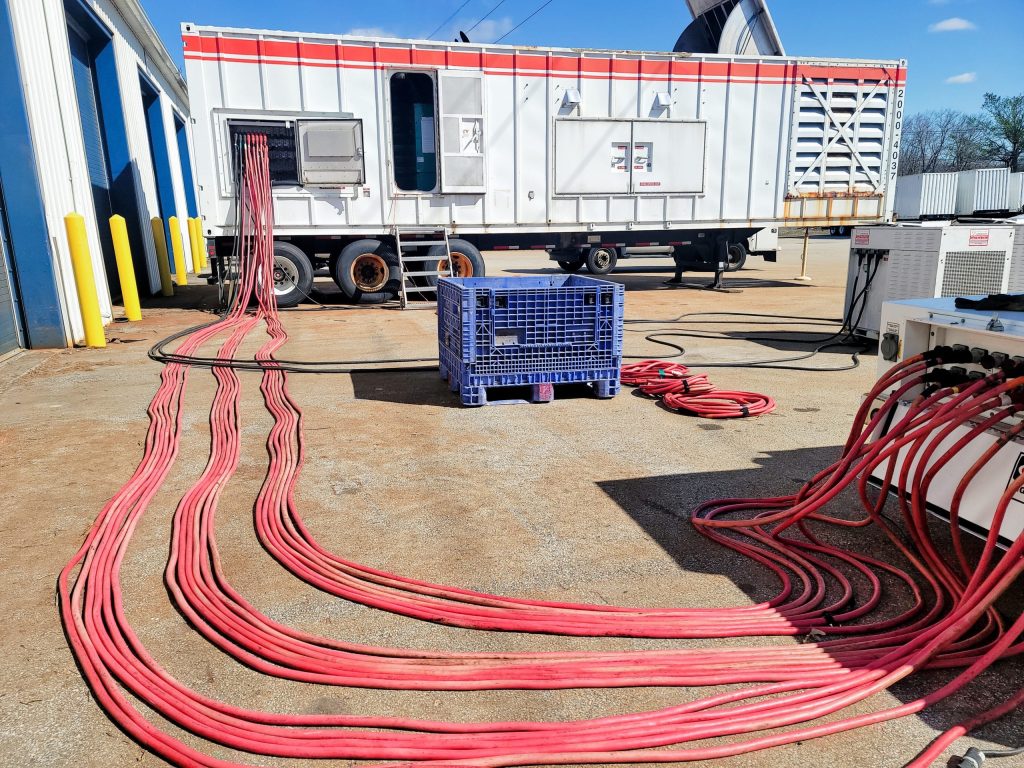
A load bank test applies a precisely controlled electrical load to a generator in order to simulate real-world operating conditions and validate its performance under stress. Instead of allowing the generator to run in a low-load or no-load state, the test forces it to operate at defined capacity levels so that engineers can confirm the system is capable of handling actual demand during a power outage.

There are three primary categories of load testing used depending on the application and system requirements. Resistive load testing introduces a purely resistive load that converts electrical energy into heat, closely simulating standard electrical consumption such as lighting and general building loads. Reactive load testing introduces inductive and capacitive elements that mimic more complex equipment behavior, such as motors, compressors, and HVAC systems that create phase shifts and require additional starting and running power characteristics. Combined load testing integrates both resistive and reactive components to create a comprehensive simulation that closely mirrors real operational environments, particularly in commercial and industrial facilities.

Together, these testing methods allow technicians to evaluate voltage stability, frequency response, cooling system performance, and overall generator reliability. This ensures the generator is not only operational but capable of sustaining proper output under realistic demand conditions, reducing the risk of failure when it is needed most.

load bank

Why Load Bank Testing Is Required

Generators that are not regularly exercised under load can develop hidden issues such as wet stacking, carbon buildup, and reduced fuel efficiency. Over time, these conditions contribute to system degradation, reduced reliability, and a higher risk of failure during emergency events when performance is most critical.

Load bank testing is widely recommended under the following standards and requirements:

NFPA 110 Compliance

Governs emergency and standby power systems and outlines requirements for routine testing to ensure generators can support critical loads during power outages.

NFPA 70 (National Electrical Code)

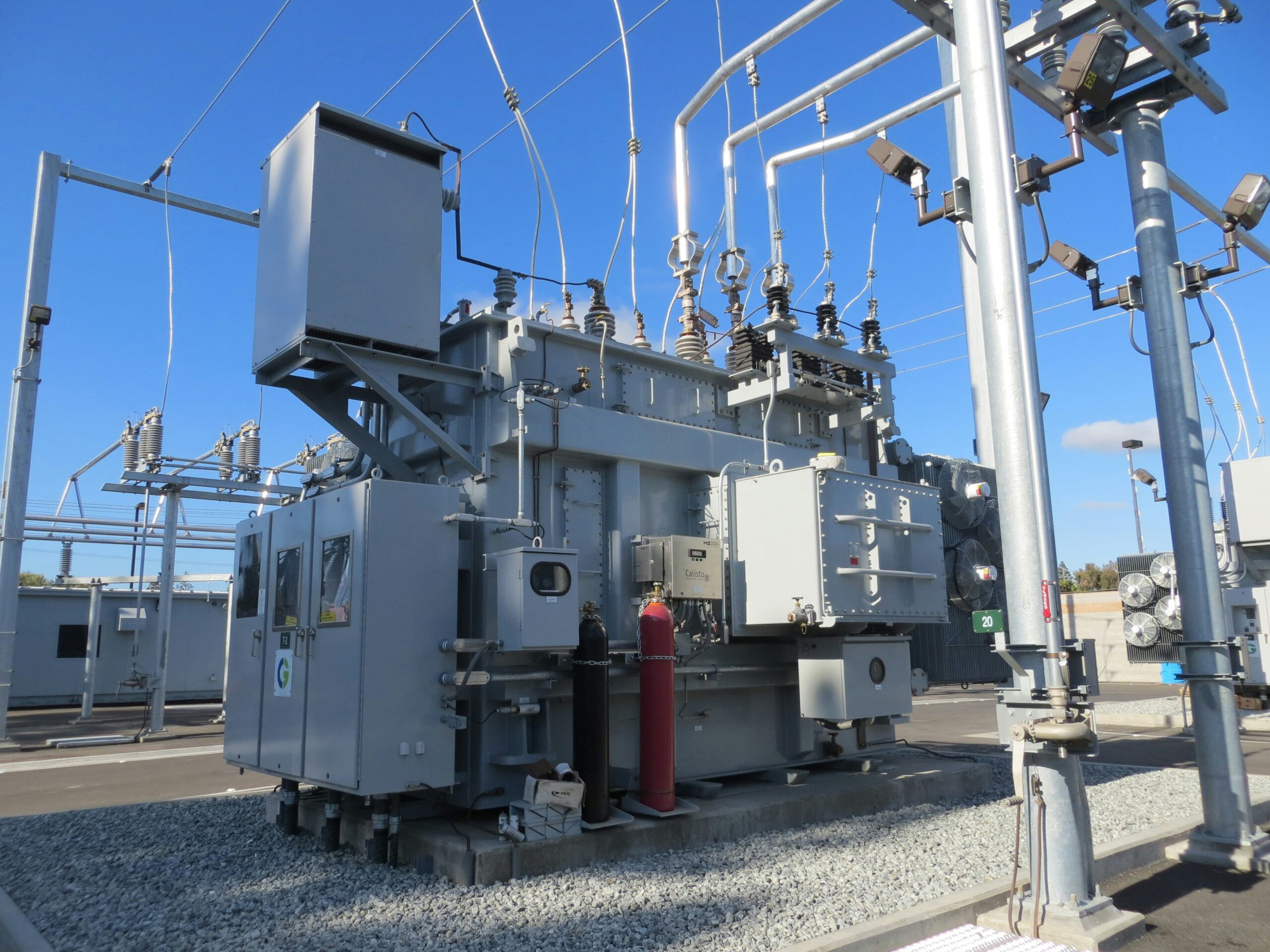
Establishes safety requirements for electrical installations, including proper operation and maintenance practices for backup power systems.
Recommended Testing Frequency

Testing frequency depends on generator type, criticality, and site requirements. Schedules vary based on compliance standards and actual system usage.

Level 1 Systems (Life Safety)

  • These systems support emergency operations such as life safety equipment, fire protection systems, and essential building functions. Because reliability is critical, they typically require annual load bank testing in addition to monthly operational checks to ensure full-load performance readiness.

Level 2 Systems (Standby Power)

These systems support general commercial operations where downtime is disruptive but not life-threatening. Testing is usually performed annually, though exact intervals may vary based on manufacturer requirements, insurance policies, and site-specific engineering needs.

For Orange County commercial properties, testing is often scheduled during off-peak periods to reduce disruption while maintaining reliability and compliance.

Value for Building Engineers and Property Managers

Load bank testing provides critical value for building engineers and property managers by supporting both operational reliability and long-term risk control. It goes beyond compliance by ensuring that backup power systems are genuinely capable of performing under real-world load conditions when they are needed most. This helps verify generator readiness under full demand, identifies hidden performance issues before they escalate into failures, and reduces the risk of unexpected downtime during outages.

It also plays an important role in maintaining regulatory and inspection readiness, particularly for facilities subject to strict safety and electrical standards. Over time, consistent load conditioning helps improve generator performance and can contribute to extending overall equipment lifespan by preventing underload-related issues.

For property managers overseeing multiple tenants or critical infrastructure, this translates into more predictable system performance, reduced operational uncertainty, and lower exposure to vendor or equipment-related risk during emergencies.

load bank testing

Typical Load Bank Testing Schedule

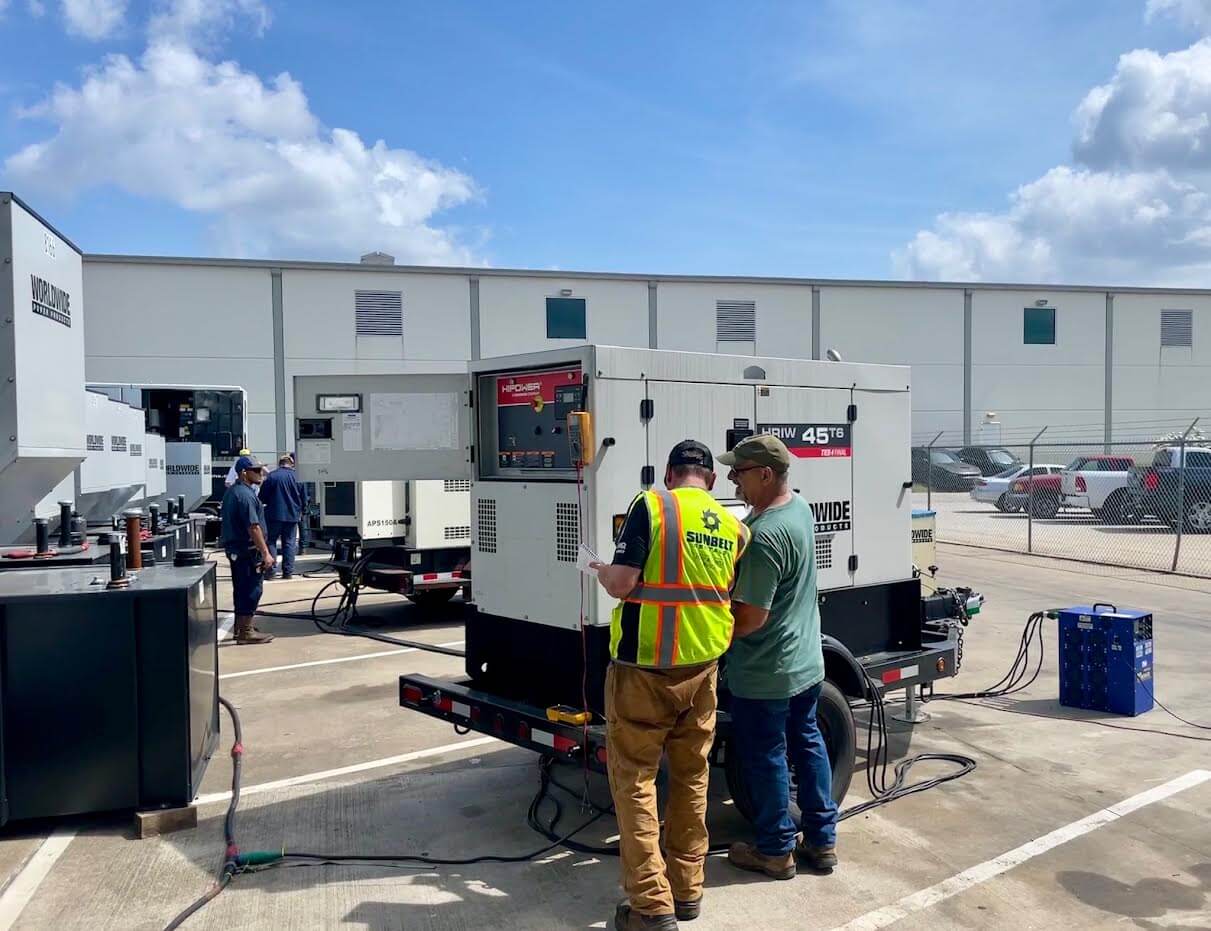
Most commercial properties in Orange County follow a structured maintenance cycle to ensure generators remain reliable and compliant throughout the year. This typically begins with monthly no-load or low-load exercise, which helps keep internal components moving, prevents fuel degradation, and confirms basic start-up functionality.

On a quarterly basis, facilities usually perform more detailed visual inspections and basic functional checks. These checks focus on identifying early signs of wear, leaks, electrical irregularities, or cooling system issues that could impact performance if left unaddressed.

At the core of the maintenance schedule is annual full load bank testing, where the generator is subjected to controlled conditions that simulate real operational demand. This step is essential for validating that the system can carry its rated load safely and consistently, not just run in idle conditions.

For facilities with higher criticality such as hospitals, data centers, and large commercial buildings, testing may need to be performed more frequently. These adjustments are typically based on engineering assessments, operational risk levels, and insurance or regulatory requirements.

Pricing Overview

Load bank testing pricing varies depending on generator size, load requirements, accessibility, and overall site complexity. Each project is evaluated individually to ensure proper load sizing, safe setup, and accurate testing duration.

Typical ranges include:

Small Commercial Units

These typically involve lower-capacity generators found in small commercial buildings or retail spaces. Testing is more straightforward due to simpler electrical configurations and easier site access. However, proper load matching is still required to confirm the generator can sustain rated output under controlled conditions, especially during full-load simulation.

Mid to Large Industrial Systems

  • These systems require significantly higher load demands and more extended testing periods to fully evaluate performance under stress. They often support critical building operations or industrial processes, meaning voltage stability, frequency response, and cooling performance must be closely monitored throughout the test. Setup and execution are more complex due to higher power levels and stricter safety requirements.
  •  

Multi-System or Complex Sites

These involve facilities with multiple generators, parallel systems, or challenging physical layouts such as rooftop installations or restricted access areas. Testing requires detailed coordination, load balancing between units, and careful sequencing to avoid operational disruption. These projects often demand custom engineering planning to ensure all systems are tested safely and accurately.

Final pricing is confirmed after a site evaluation to ensure accurate requirements are assessed and the testing plan matches the facility’s operational, technical, and compliance needs.

Why Choose Pelican Coast Electric

We focus on commercial and industrial electrical systems where uptime is critical. Our load bank testing services are designed to align with compliance standards, engineering expectations, and real-world operational demands, ensuring generators perform reliably when they are needed most.

Our approach prioritizes:

Accurate Load Simulation

We replicate real operating conditions using properly sized resistive and reactive loads to ensure the generator is tested under true performance stress, not just artificial or incomplete load conditions.

Minimal Operational Disruption

Testing is planned and coordinated around facility schedules to reduce downtime, avoid tenant impact, and keep essential building operations running smoothly during the process.

Clear Reporting For Building Engineers

After testing, we provide straightforward documentation that outlines performance results, observed issues, and system status so engineers and property managers can make informed maintenance decisions.

Compliance-Aligned Procedures

All testing is performed in accordance with relevant standards such as NFPA requirements, ensuring the system meets regulatory expectations for safety, reliability, and emergency readiness.

Electrical Brands We Use

COMMON QUESTIONS

Frequently Asked Questions About Load Bank Testing

If you’re preparing a generator upgrade or commissioning a new system, we can support load bank testing plans that align with your facility requirements and operational budget.

What is the purpose of load bank testing on a generator?

Load bank testing verifies that a generator can operate at full capacity under simulated electrical loads. It ensures the system will perform correctly during a real power outage and helps identify issues that are not visible during no-load operation.

Most commercial generators should undergo load bank testing at least once per year. Critical systems may require more frequent testing depending on NFPA compliance requirements and operational demands.

It helps prevent wet stacking, carbon buildup, fuel inefficiency, and mechanical issues caused by underloaded operation. It also reduces the risk of generator failure during emergencies.

Yes. NFPA 110 outlines performance requirements for emergency and standby power systems, which include periodic testing under load to confirm operational reliability.

Building engineers, facility managers, and property maintenance teams usually schedule load bank testing to ensure compliance, reduce liability risks, and verify generator readiness for commercial properties.

Service Area

Serving Orange County

We provide load bank testing services across Orange County for commercial buildings, industrial facilities, and critical backup power systems.

Orange County

Newport Beach

Costa Mesa

Huntington Beach

Irvine

Laguna Beach

Tustin

Corona Del Mar

Anaheim

Fullerton

Santa Ana

CUSTOMER REVIEWS

What Our Customers Say

Real reviews from satisfied customers across Orange County.

Estimate Your Next Load Bank Testing

Request a custom load bank testing quote, and our licensed electricians will evaluate your generator setup, site conditions, and operational requirements to prepare a clear and transparent proposal. We work with building engineers, property managers, developers, and facility maintenance teams to deliver structured pricing, defined inclusions and exclusions, and compliance-focused testing plans.

Our load bank testing services cover the full technical process, including pre-test inspection, connection setup, controlled load application, step-loading evaluation, voltage and frequency monitoring, and post-test reporting. Every test is performed to validate generator performance under real-world demand conditions while ensuring safe operation and minimal disruption to your facility.

WHAT YOU GET WITH PELICAN COAST

Schedule Your Free Estimate

Get a detailed estimate for your load bank testing