
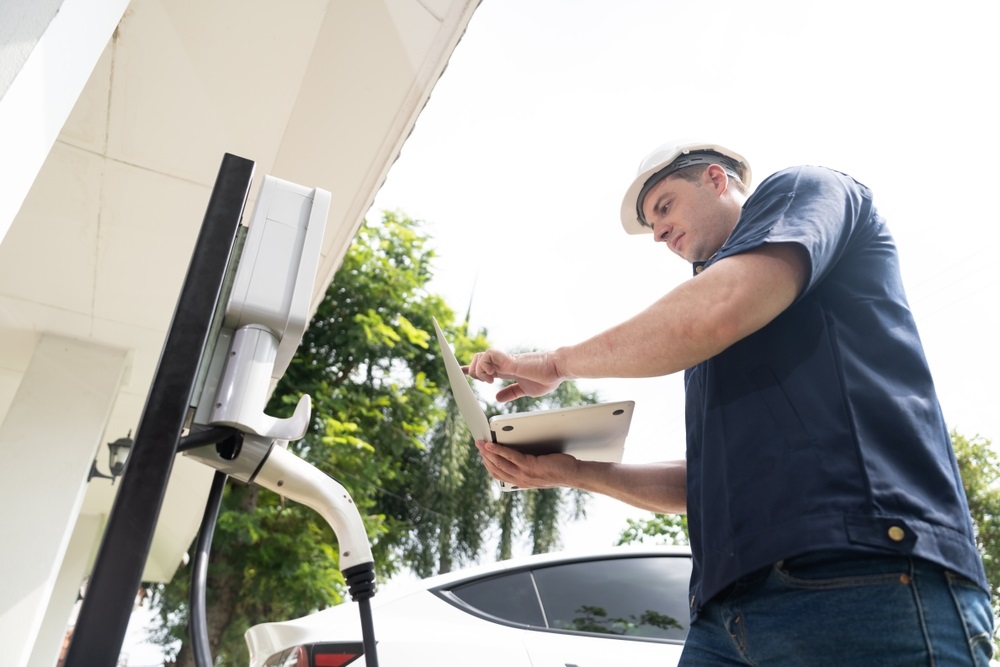
EV charging is no longer a future consideration for commercial properties in Orange County. It is becoming a practical requirement driven by tenant expectations, customer behavior, and evolving building standards. Office buildings, retail centers, and hospitality properties are increasingly expected to provide accessible charging as part of their core amenities.
Many commercial properties were built before EV infrastructure was considered. Electrical systems that once supported lighting, HVAC, and standard operations are now being evaluated for their ability to handle dedicated EV charging loads.
This guide explains what commercial property owners and managers in Orange County should expect when planning EV charging installation, including infrastructure requirements, cost factors, and property-specific considerations.
Why EV Charging Matters for Commercial Properties
The value of EV charging varies depending on the type of property, but the underlying driver is the same: user expectation is changing.
For office buildings, employees increasingly expect workplace charging as part of a modern work environment.
For retail centers, EV chargers encourage longer visits and can influence where customers choose to shop.
For hospitality properties, overnight charging has quickly become a competitive differentiator.
Unlike residential installations, commercial EV charging is less about convenience and more about tenant retention, customer experience, and long-term asset value.
Key Considerations Before Installation
Before installing EV chargers, commercial properties need to evaluate whether their existing infrastructure can support the additional electrical demand.
1. Available Electrical Capacity
EV chargers place a continuous load on the system, especially in commercial settings with multiple units. Many existing panels were not designed with this type of load in mind. A load calculation is required to determine whether the current system can support EV charging or if upgrades are necessary.
2. Electrical Panel Limitations
One of the most common constraints is panel capacity. If the panel is already near its limit, adding EV chargers may not be possible without updates. In these cases, a commercial electrical panel upgrade is often required to safely distribute additional load and meet current code requirements.
3. Parking Layout and Usage
The physical layout of the parking area affects both installation cost and usability. Properties must consider the distance from electrical rooms to parking spaces and whether chargers will be public or tenant-only. Long conduit runs and trenching can significantly increase installation complexity.
4. Charger Type and Power Level
Commercial installations typically involve Level 2 chargers, though some properties may consider DC fast charging depending on use. Higher-powered systems require larger circuits and more capacity from the panel.
Electrical Infrastructure Requirements
Commercial EV charging is not a simple add-on; it requires integration with the building’s electrical system. Typical requirements include:
Dedicated circuits for each charger.
Proper load calculations to prevent overloading.
Panel upgrades when capacity is insufficient.
Conduit routing through parking structures or exterior areas.
Grounding and protection systems that meet California electrical codes.
Because of these factors, most projects involve coordination with a licensed professional. For a breakdown of the technical scope, visit our EV charger installation services page.
EV Charging by Property Type
Each commercial property type has different usage patterns, which directly affect system design.
Office Buildings
Office environments typically involve long-duration parking. Employees may charge vehicles throughout the workday, which allows for more predictable load management. Integrating these systems requires a deep understanding of commercial electrical services to ensure the building’s daily operations aren’t interrupted.
Retail Centers
Retail charging is based on shorter visits. The goal is not full charging, but convenience and attraction. Strategic placement near entrances is key, often focusing on improving customer experience rather than maximizing charging output.
Hospitality Properties
Hotels and resorts deal with overnight charging, which introduces different expectations for guest-exclusive access and overnight load distribution. For hospitality, EV charging is increasingly viewed as a standard feature rather than an upgrade.
Compliance and Local Code Considerations
EV charging installations in Orange County must comply with California electrical codes and local permitting requirements. This typically includes electrical permits, inspections, and ADA accessibility considerations.
Cities such as Newport Beach and Costa Mesa enforce strict inspection processes to ensure installations meet safety standards. Working with an experienced commercial electrician in Newport Beach or a commercial electrician in Costa Mesa helps streamline the process from planning to final inspection.
Common Challenges in Commercial EV Installation
Limited Electrical Capacity: Older buildings may not have sufficient panel capacity.
Long Conduit Runs: Parking areas located far from electrical rooms increase costs.
Existing Building Constraints: Structural barriers can complicate the routing of new lines.
Is EV Charging Installation Worth It?
For office buildings, retail centers, and hospitality properties, EV charging is quickly shifting from optional to expected. Key benefits include improved tenant satisfaction, increased property competitiveness, and alignment with California building trends.
If you are ready to evaluate your property, a proper assessment is the first step. You can explore our commercial electrician services to see how we handle large-scale infrastructure projects, or contact us directly to begin planning your transition to a more sustainable commercial asset.
Frequently Asked Questions
How much does a commercial EV charger installation cost in Orange County?
Total costs for commercial Level 2 charging typically range from $3,000 to $12,000+ per port. For small office or retail sites with 2–4 ports, overall project budgets often fall between $15,000 and $50,000, covering hardware, basic trenching, and networking. High-power DC fast charging sites can exceed $250,000 due to major utility and civil work
What factors influence the final cost of a commercial project?
The total investment is primarily driven by the distance from the electrical room to the parking stalls, the need for panel upgrades, the type of charging hardware selected, and mandatory ADA accessibility requirements.
Are permits and inspections required for commercial EV charging in Orange County?
Yes, all commercial installations require electrical permits and local safety inspections to comply with California state codes and specific city ordinances in areas like Newport Beach and Costa Mesa.
When is a commercial electrical panel upgrade necessary?
An upgrade is required if a building’s existing electrical system lacks the spare capacity to handle the continuous high-load demand of multiple EV charging units safely.
Why is professional installation critical for commercial properties?
Professional installation ensures that complex load calculations are accurate, the system is fully code-compliant, and the property avoids safety hazards or insurance liabilities associated with uncertified work.
Get a Professional Assessment
Every home has unique conditions that affect the scope and cost of rewiring. A professional inspection is the most reliable way to determine what is required.
Pelican Coast Electric evaluates:
- The condition of existing wiring
- Electrical panel capacity
- Structural accessibility
- Required upgrades for code compliance
Based on this assessment, a clear and accurate estimate is provided.