
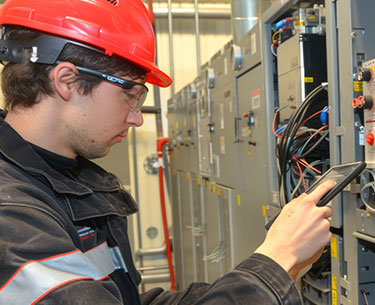
If you manage or own a commercial property in places like Los Angeles, Orange County, Anaheim, Irvine, or Santa Ana, your electrical panel is the central control point of your entire operation. It distributes power across every system, including lighting, HVAC, equipment, and tenant spaces, making it critical to daily operations.
Many property owners don’t start asking “do I need a commercial electrical panel upgrade?” until problems begin to surface, such as frequent breaker trips, equipment failures, inconsistent power, or failed inspections. By that point, the system is often already operating beyond its intended capacity, increasing the risk of downtime, safety issues, and costly emergency repairs.
Commercial electrical systems are fundamentally different from residential setups. They are designed to support higher electrical loads, continuous usage, and more complex equipment demands. As your building evolves whether through tenant improvements, added equipment, or EV charger installations. Your panel must be able to scale with that demand.
If you’re experiencing power instability or planning to expand operations, the first step is a professional evaluation of your system. Working with a contractor that specializes in commercial electrical panel upgrades allows you to assess current capacity and determine whether a commercial electrical panel upgrade is necessary.
A proper review doesn’t just address current issues. It helps prevent future failures by making sure your infrastructure is safe, compliant, and built to handle long-term demand.
Commercial vs. Residential Electrical Panels
Understanding the difference between commercial and residential electrical systems is critical for safety, performance, and code compliance, especially when planning upgrades or expanding capacity.
Voltage and Power Capacity
Commercial electrical panels are designed to handle significantly higher electrical loads than residential systems. While residential panels typically support basic lighting, appliances, and HVAC, commercial panels must support continuous, high-demand equipment such as HVAC systems, commercial kitchens, machinery, and tenant-specific loads.
Because of this, commercial properties often require larger service capacities and scalable distribution systems, which is why working with a qualified Pelican Coast Electric electrician for load planning and system design is essential.
3-Phase Electrical Panels
Unlike residential properties that use single-phase power, most commercial buildings rely on 3-phase electrical systems. This allows for more efficient and balanced power distribution, reducing strain on the system and improving overall reliability.
3-phase systems are especially important when integrating high-demand applications like EV charger installations, where consistent and stable power delivery is required. If your building is planning for expansion or electrification, evaluating your system through Pelican Coast Electric ensures your infrastructure can support these loads without failure.
Code Requirements and Compliance
Commercial electrical upgrades are subject to strict local codes, permitting requirements, and inspections, particularly in Orange County and Los Angeles. These regulations are designed to ensure safety, proper load handling, and long-term system reliability.
Upgrades often require:
- Detailed load calculations
- Plan checks and approvals
- Coordination with local utilities
- Final inspections for compliance
Managing this process incorrectly can lead to delays, failed inspections, or costly rework. That’s why property owners typically rely on experienced contractors like Pelican Coast Electric, who handle permitting, plan checks, and code compliance as part of the upgrade process.
Common Signs Your Panel Needs an Upgrade
Based on real-world service conditions, here are the most common commercial panel upgrade signs:
- Frequent breaker trips or power interruptions
When breakers are tripping regularly, it usually means the electrical demand is consistently exceeding what the panel can safely supply on its circuits. In commercial environments, this often happens when multiple high-load devices like HVAC units, kitchen equipment, or machinery run simultaneously. Instead of being an occasional inconvenience, repeated tripping is a protective response from the system. If this is happening often, the panel is effectively telling you it’s undersized for current operational demand and is operating at or beyond safe limits. - Flickering lights or inconsistent power
Flickering or dimming lights, especially when large equipment turns on, typically indicates voltage instability or uneven load distribution across circuits. In commercial setups, this is often caused by heavy appliances drawing sudden current spikes that the system struggles to compensate for. Over time, this kind of instability doesn’t just affect lighting it can interfere with sensitive electronics, point-of-sale systems, and network equipment. It’s usually a sign the panel is struggling to regulate load fluctuations efficiently. - Electrical panel is at full capacity
If every breaker slot is already used or the panel is maxed out, you’ve reached a structural limitation of the system. This isn’t just about inconvenience it means there is no safe or code-compliant way to add new circuits for additional equipment, tenant improvements, or operational expansion. In practice, businesses often discover this when trying to install something as simple as new refrigeration units, EV chargers, or office expansions and realizing there’s physically no electrical “headroom” left. - Adding new equipment or expanding operations
Any time a business grows whether adding kitchen equipment, manufacturing machinery, HVAC upgrades, or tenant buildouts the electrical demand increases significantly. If the existing panel was already designed around older, lighter loads, it won’t scale well. Contractors often flag this early because expansion without electrical capacity planning leads to overloaded circuits, inefficient power distribution, or forced workarounds that are not sustainable long-term. - Outdated or aging electrical systems
Older panels may still “work,” but they were often built under older electrical codes and for much lower load expectations than modern commercial environments require. Aging components can include worn breakers, obsolete fuse systems, or panels that lack modern safety features like AFCI/GFCI protection where required. Over time, deterioration also increases resistance and heat buildup, which reduces efficiency and raises safety risks. Even if the system hasn’t failed yet, it may no longer meet today’s operational or safety standards. - Failed inspections or code compliance issues
When an electrical system fails inspection, it usually means it no longer aligns with current NEC (National Electrical Code) or California-specific requirements. This can include improper grounding, insufficient panel capacity, incorrect breaker sizing, or missing safety protections. In commercial properties, inspection failures are especially critical because they can delay occupancy permits, stall tenant improvements, or block business operations entirely until corrections are made often requiring a full panel upgrade rather than minor fixes. - Electrical issues affecting operations
When electrical problems begin affecting daily operations such as equipment shutting down unexpectedly, compressors overheating, data systems glitching, or production delays it indicates the system is no longer reliably supporting business demand. These symptoms are often downstream effects of chronic overload or poor load balancing. At this stage, the issue is no longer just technical. It becomes an operational risk, since downtime directly translates into lost revenue, damaged equipment, or safety concerns.
If you’re seeing multiple signs, you’re past the “monitor it” stage. This is typically when to upgrade a commercial electrical panel, not later.
The Upgrade Process: Assessment to Approval
A professional commercial electrical transition requires a structured sequence to ensure safety, efficiency, and full legal compliance. The process begins with a comprehensive load assessment, where we evaluate your facility’s current energy usage and future expansion goals to determine the optimal amperage. This data-driven approach prevents the common pitfall of under-sizing infrastructure, which can lead to costly redesigns later.
Once the scope is defined, we manage the permitting and engineering phase. This includes performing complex load calculations and navigating city plan checks to ensure the proposed system meets rigorous local building codes. Our commercial electrical services are designed to remove this administrative burden from property owners, for a seamless path to approval.
The installation phase is where the physical transition occurs. Depending on your facility’s needs, this may involve a full commercial panel upgrade, the integration of 3-phase systems for industrial machinery, or the addition of subpanels to support new EV charger installations. Finally, we oversee the final inspection, coordinating directly with city inspectors to verify that every component is safe and code-compliant. To start this process for your property, visit our contact page to schedule an initial consultation.
Cost Factors for Commercial Upgrades
Budgeting for an electrical infrastructure project requires understanding that costs are a direct reflection of technical complexity and system demand. In most cases, the final investment for a commercial panel upgrade is driven by three primary variables.
First, amperage requirements play a significant role. Upgrading to a high-capacity system (400A to 800A+) requires more robust equipment, upgraded protection systems, and heavier wiring. This is often necessary for modern demands such as EV charger installations and expanded electrical loads.
Second, the 3-phase electrical configuration common in commercial buildings introduces additional engineering requirements. Proper load balancing is essential to ensure consistent performance across HVAC systems, machinery, and tenant equipment, especially in multi-use properties.
Finally, existing building conditions particularly in older facilities can significantly impact scope. Many upgrades require new conduit runs, panel relocation, or structural adjustments to comply with current safety codes and inspection standards. These factors are typically identified during a professional evaluation by Pelican Coast Electric, ensuring all upgrades are designed for compliance and long-term reliability.
To move from estimation to a clear, actionable scope of work, you can visit our contact page to schedule a professional load assessment based on your property’s actual requirements.
Commercial Electrical Panel Upgrade Cost
Electrical panel upgrade costs in Orange County and Los Angeles vary based on system size and project complexity, but most projects fall into predictable ranges:
- Small commercial upgrades: ~$3,000 – $8,000
- Mid-size service upgrades: ~$8,000 – $20,000
- Large commercial / multi-tenant systems: $20,000 – $50,000+
What actually drives cost:
- System size and required capacity
- Existing electrical infrastructure condition
- Accessibility of the panel location
- Permit requirements and inspections
- Utility coordination
In most cases, the total cost is influenced more by system requirements and compliance work than the panel equipment itself. This is where working with an experienced team like Pelican Coast Electric becomes critical, since permitting, code compliance, and system planning often determine both timeline and final budget.
To reduce uncertainty upfront, they also provide free on-site evaluations and upfront estimates, allowing property owners to understand scope, required upgrades, and potential constraints before committing to the project.
Frequently Asked Questions
What does a commercial electrical panel do in a building?
A commercial electrical panel acts as the central hub that distributes electricity throughout a building, powering equipment, lighting, and systems while using circuit breakers to prevent overloads and electrical hazards.
When should a commercial electrical panel be upgraded?
A commercial electrical panel should be upgraded when it can no longer handle current power demands, especially if there are signs like frequent breaker trips, outdated equipment, or increased electrical load from new systems or tenant improvements.
What are the risks of not upgrading an outdated electrical panel?
Failing to upgrade an overloaded or outdated panel can lead to serious risks such as electrical fires, equipment damage, and unstable power distribution, all of which can disrupt operations and create safety hazards.
What are the benefits of upgrading a commercial electrical panel?
Upgrading a commercial electrical panel improves safety, increases system capacity, ensures code compliance, and supports modern electrical demands such as lighting systems, equipment, and future expansions.
Do commercial electrical panel upgrades require permits and inspections?
Yes, commercial panel upgrades typically require permits and inspections to ensure the system complies with current safety codes and local regulations. Licensed electricians handle this process to avoid violations and ensure proper installation.
Schedule Your Professional Assessment
Delaying a necessary electrical upgrade increases both operational risk and long-term repair costs. Small warning signs such as breaker trips, inconsistent power, or equipment strain often indicate that your system is already operating near or beyond capacity.
Whether you are currently dealing with these issues or planning a facility expansion, the most reliable approach is an early, professional evaluation. A proper load assessment helps identify capacity limitations, code compliance issues, and whether a commercial electrical panel upgrade is required before problems escalate into downtime or safety concerns.
To better understand your system’s requirements, you can start with a professional electrical system review from Pelican Coast Electric, where our team evaluates existing infrastructure, load demands, and future expansion needs for commercial properties across Southern California.
If you’re ready to move forward, you can also visit our contact page to schedule a professional on-site assessment. This allows our team to provide a clear scope of work based on your facility’s actual electrical load requirements, along with a transparent path for any necessary upgrades.