
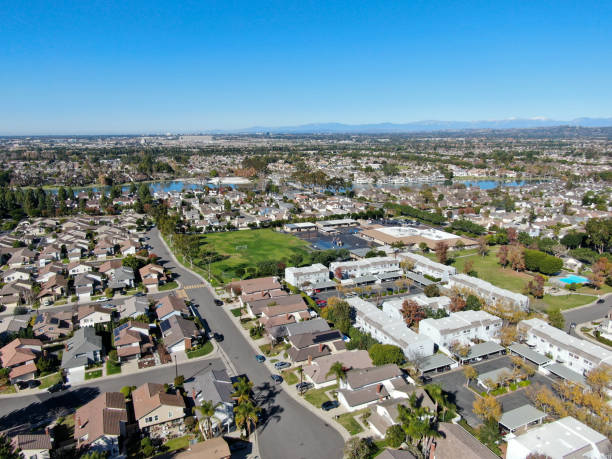
HOA and condo electrical systems in Orange County don’t typically fail in a sudden, obvious way. They degrade gradually until issues start affecting safety, resident satisfaction, and operating budgets. For property managers and HOA boards in cities like Irvine, Anaheim, Costa Mesa, and Huntington Beach, electrical systems are not just maintenance items they are part of core infrastructure tied to compliance, insurance requirements, and long-term property value.
Most associations only begin searching for solutions like HOA electrical upgrade Orange County or condo electrical upgrade cost once performance issues are already visible. At that stage, decisions become more urgent and more expensive. If your community is already evaluating system reliability, a practical starting point is a professional review through our commercial electrical services to understand how multi-unit electrical systems are assessed and upgraded.
Common HOA Electrical Upgrades in Orange County
HOA electrical systems are responsible for far more than basic power delivery. They directly affect safety, compliance, and long-term operational costs across shared community spaces.
Common Area Lighting Systems: One of the most frequent upgrade needs involves common area lighting in older communities. Many HOAs are transitioning to LED systems to reduce energy consumption and maintenance costs while improving visibility and safety. In regulated cities such as Irvine and Santa Ana, lighting upgrades are often aligned with efficiency standards and inspection requirements.
Parking Structures and Exterior Lighting: Parking garages and exterior areas present both safety and liability concerns. Poor lighting increases risk exposure, especially in high-traffic communities like Anaheim and surrounding urban areas. Typical upgrades include LED retrofits, motion-activated systems, and emergency lighting improvements designed to improve visibility while reducing long-term operating costs.
Pools, Spas, and Recreational Facilities: Recreation areas rely on stable electrical systems for lighting, pumps, and control equipment. Failures in these systems often surface during peak usage or inspections, making proactive upgrades essential for uninterrupted operation.
EV Charging Infrastructure: Electric vehicle adoption is rapidly reshaping HOA infrastructure requirements. Most communities eventually encounter limitations in electrical capacity when attempting to install shared charging stations. These projects are often directly dependent on system capacity and may require evaluation through electrical panel service and replacement before EV charger installation is possible.
Electrical Panel Upgrades in Older Communities
Many older HOA buildings were not designed for modern electrical loads such as EV charging, expanded amenities, or increased resident usage. When capacity becomes insufficient, panel upgrades shift from optional improvements to required infrastructure corrections. These upgrades are commonly addressed through our specialized commercial panel upgrades to support safe load distribution across multi-unit systems.
How HOA Boards Should Approach Electrical Budgeting
Electrical upgrades are often underestimated in HOA reserve planning. Without proper forecasting, associations are forced into reactive spending rather than structured capital planning. A more effective approach includes long-term reserve alignment for lighting replacement cycles, panel upgrades (typically 20-30 year lifecycles), and future EV infrastructure needs. If there is uncertainty about system condition or capacity, a professional evaluation via our contact page is often more accurate than relying on outdated reserve assumptions.
Phased Upgrade Planning
Large-scale electrical work does not need to be completed all at once. Many HOAs benefit from a phased strategy that prioritizes safety systems first, followed by lighting improvements, and then infrastructure expansion.
This approach reduces financial pressure while maintaining compliance and minimizing disruption to residents.
What to Look for in an HOA Electrical Contractor
Selecting the right contractor is a critical decision for HOA boards because multi-unit systems require a higher level of coordination and technical planning than standard residential work. Proper licensing and insurance are non-negotiable, but experience is equally important. Contractors should have proven capability working with complex systems similar to those found in commercial electrical environments.
Orange County Electrical Considerations
Electrical projects in Orange County are shaped by local permitting requirements, utility coordination, and aging infrastructure in older communities.
Cities such as Irvine, Anaheim, and Santa Ana typically require load calculations, formal plan approvals, and inspections before work can proceed. Additionally, utility rebate programs may be available for LED upgrades and EV infrastructure, but only when installations are properly documented and code-compliant.
Older communities in areas like Huntington Beach, Costa Mesa, and Fullerton often face additional challenges such as outdated panels, limited capacity, and aging wiring systems. In many cases, these issues shift electrical upgrades from optional improvements to necessary infrastructure corrections.
Electrical Upgrade Costs in HOA Communities
There is no standardized pricing for HOA electrical upgrades because every project varies in scope and complexity.
Cost is influenced by factors such as community size, system accessibility, permitting requirements, panel capacity, and the type of upgrade being performed. A lighting retrofit project is fundamentally different from a full infrastructure or distribution system upgrade.
Frequently Asked Questions
What kind of ROI should an HOA expect from electrical upgrades?
Electrical upgrades are not short-term profit plays. The return comes from reducing risk, maintaining compliance, and protecting property value. Projects like EV infrastructure may see 6–14 year payback periods, but the primary benefit is long-term asset viability.
How should electrical upgrades be included in a reserve study?
Electrical systems should be treated as planned capital components, not unexpected repairs. Including panels, distribution, and capacity upgrades in your reserve study helps avoid special assessments and supports phased, long-term planning.
Are EV chargers feasible in older HOA buildings?
Yes, but typically through a phased or load-managed approach. Older properties often lack the capacity for full deployment upfront. Installations can range from under $10,000 for small systems to $500,000+ for full-property upgrades, depending on scope.
What is the payback period for LED lighting upgrades?
LED upgrades typically deliver a 1–3 year payback period through reduced energy consumption and maintenance costs. They are often the fastest and lowest-risk improvement for HOAs.
Should an HOA upgrade electrical systems now or wait?
Delaying upgrades can lead to higher costs, emergency repairs, and compliance issues. A phased approach starting with capacity and expanding over time is usually the most cost-effective strategy.
Final Planning Note for HOA Electrical Systems
HOA electrical systems should be viewed as long-term infrastructure assets rather than short-term maintenance items. Delaying necessary upgrades increases risk exposure, raises long-term costs, and creates avoidable compliance issues. Communities that plan early benefit from fewer emergency repairs, smoother inspections, and improved property value stability.
When ready, scheduling a professional assessment through our contact page provides a clear, actionable direction based on actual system conditions rather than assumptions.